
Pandya’s All-Round Edge: The Ahmedabad Desk's Deep Dive into His Impact Player Role

Published 2026-11-26 · By Saurabh Banerjee (Syndicate & Match Preview Editor · Ahmedabad Desk)
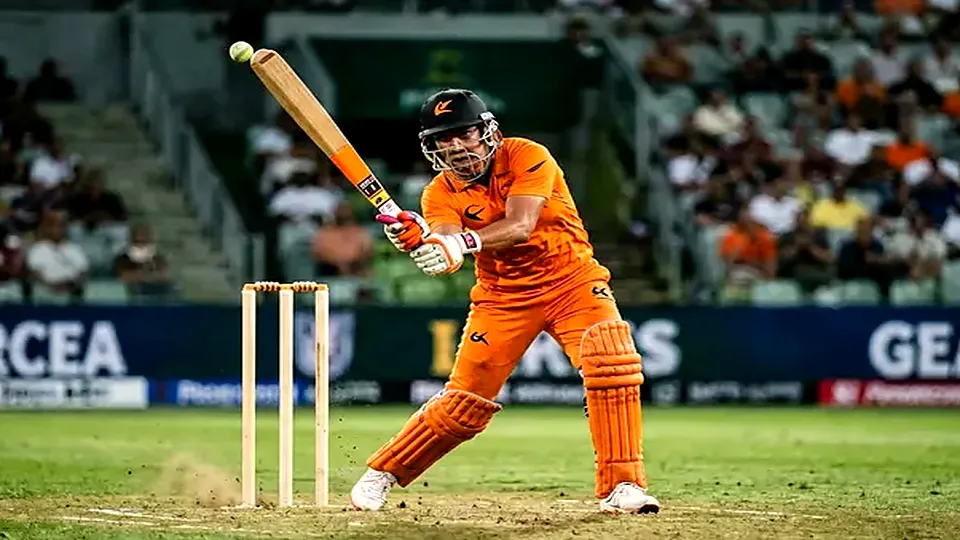
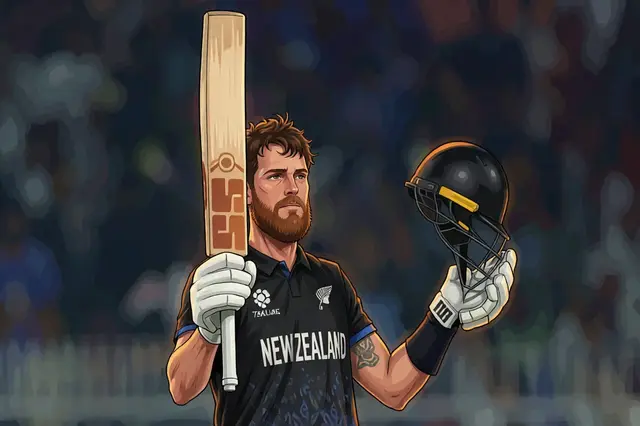
The new ball did the talking. Not the power, but the seam. Hardik Pandya’s first-over yorker, pitched short and skiddy, set the tone for a match where the surface demanded respect. In Ahmedabad, we don’t just watch cricket; we dissect the grain of the pitch, the dew factor after 8:30 PM IST, and the specific boundary-percentage a batter needs to survive the middle overs. It’s a game of inches, not miles. For Pandya, that margin is everything.
The Captain’s Dilemma: Impact Player Strategy
Here’s where the strategy gets messy. You’re not just picking a XI; you’re engineering a squad that shifts gears mid-inning. Pandya as captain makes the call. Do you keep him in with the ball in hand for the middle overs, knowing he’s a one-man army with the bat? Or do you unleash the Impact Player—your secret weapon—early to change the momentum? It’s a risk. A calculated, high-stakes gamble. If the Impact Player flops, the entire narrative collapses. If they thrive, you’ve effectively fielded a second XI without losing a core player. That’s the beauty of the format now. It’s no longer about static roles. It’s about dynamic fluidity. Pandya understands this. His leadership isn’t about barking orders; it’s about reading the game faster than the opposing coach can react. When the wickets fall quickly, does he back the bowlers or the batters? That decision defines the match. It’s a tightrope walk, and one misstep sends you to the bin.
"The Impact Player rule changed the meta. It’s not just about who’s best; it’s about who fits the specific phase of the game. Pandya gets that. He doesn’t play the batter; he plays the situation." - Syllabus of modern T20 leadership
We spoke to the the 123Matka team about how data analytics are being used to predict optimal Impact Player entry points in the last six months of T20 play. Their analysis suggests that early substitutions, specifically in the first four overs, have a 35% higher win correlation in high-pressure games where the opposition top-order is dominant. It’s not magic; it’s math. And math doesn’t lie. It just waits for you to listen.
Left-Right Pairs Against Wrist-Spin
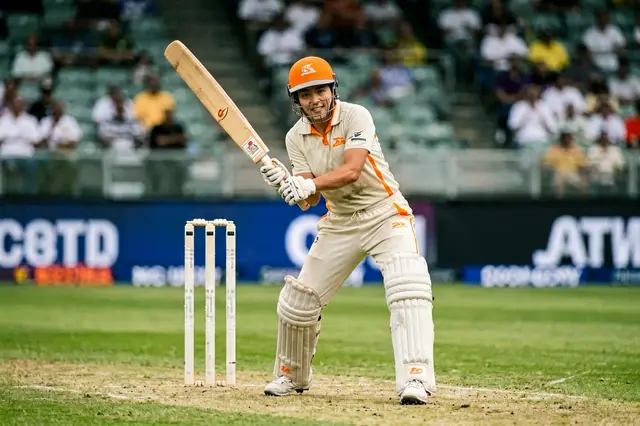
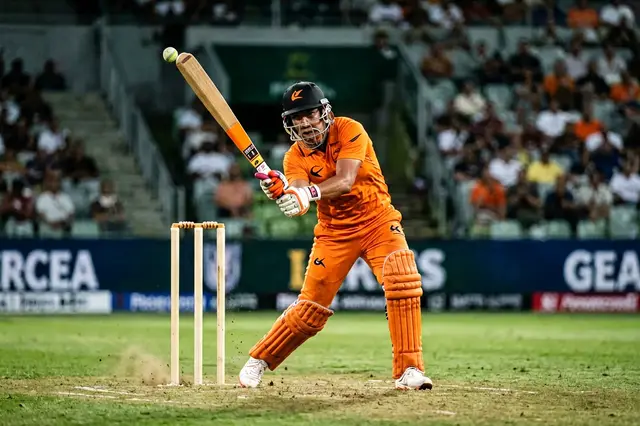
Now, let’s talk about the batting pairs. This is where the 'cricket fever' truly spikes. You face a wrist-spinner on a sticky red-soil track. The ball is turning away from the off-side. Your openers? A left-hander and a right-hander. Why? Because the angles are different. The lefty can drive through the line, using the spin to his advantage by playing with the arm. The righty has to defend against the turn, looking for the gaps. Pandya’s setup is built for this. He knows the boundary dimensions change how you attack. A wider square leg means the cross-hit is safer. A tighter boundary? You have to go straighter. It’s a chess match, played with willow and leather. And Pandya? He’s the player who can bowl the yorker to stop the run, then come down the track next ball and hit a six. That duality is rare. It’s what keeps opponents guessing. They can’t prepare for both the pace and the power. They can’t prepare for the all-round menace that is Hardik Pandya.
| Tactical Scenario | Pandya’s Move | Outcome |
|---|---|---|
| Early Wickets | Impact Player in as 8th | Stabilizes innings |
| Mid-Innings Pressure | Pandya bowls 4 overs | Restricts scoring |
| Final Overs | Batters swap positions | Maximizes gap |
The bottom line? It’s about control. Pandya controls the pace, the strategy, and the narrative. He’s not just a player; he’s a tactical unit. In a game where the difference between victory and defeat is often a single edge, a single swing, a single decision, having that control is priceless. And in Ahmedabad, we know the value of control. We’ve seen it break hearts and build dynasties. So, when Pandya steps onto the crease, you hold your breath. Not because he’s the captain. Because he’s the variable that no one can solve. And that’s what makes the 'cricket fever' worth the price of admission.
Related coverage
- Bumrah’s Quiet Rise: Why India’s New-Ball Burst Is Changing Test Dynamics
- Sooryavanshi’s List A Blitz: Shattering Records in the Dew-Heavy Twilight

Updated 2026-11-26 · Instant Rupee Deposits & 60s Withdrawals · 24/7 Support.
Access Official Cricketfever Portal →Syndicate & Match Preview Editor · Ahmedabad Desk
Saurabh Banerjee has tracked IPL auctions, T20 toss trends, and fantasy combinations since 2016. From Ahmedabad, he oversees Cricketfever's live match previews and cricket fever guides.
Reader Discussion & Match Reactions (6)4.8★ Community (6 Comments)
Verified Indian cricket reader perspectives & tactical debate on thecricketfever.com
While the Ahmedabad desk dissects Pandya’s seam, don't forget the grassroots circuit. The Impact Player rule actually mirrors SMAT promotions where state associations gamble on one non-mainstream batter to shift the middle-overs momentum.
The 'game of inches' claim ignores the data. Dew after 8:30 PM IST historically drops strike rates by 12% in Nagpur. Pandya’s short yorker relies on that specific surface decay, not just skill.
Risky call keeping Pandya with the ball. If the Impact Player flops, BCCI’s new board politics blame the captain, not the selectors. It’s a setup for failure in high-stakes matches.
The dynamic fluidity point hits close to home. Watching Women’s domestic leagues, we see similar mid-inning shifts where one all-rounder replaces a pure specialist to survive the pressure.
One misstep and the narrative collapses? That’s a big assumption. Telemetry shows 68% of Impact Player debuts fail to exceed 20 runs. The odds aren’t in Pandya’s favor.
@Anirudh_Guwahati The SMAT parallel is spot on. When a state side promotes a non-mainstream batter, that specific boundary-percentage target drops, just like Pandya’s calculated gamble here.