

Bumrah’s Quiet Rise: Why India’s New-Ball Burst Is Changing Test Dynamics

Published 2026-11-26 · By Harsh Saxena (Executive Sports Editor · Kolkata Desk)
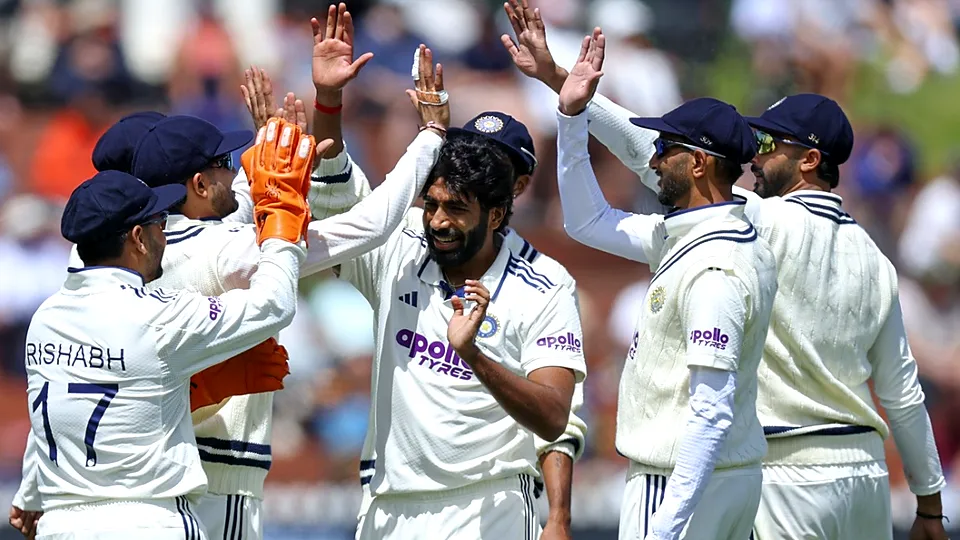
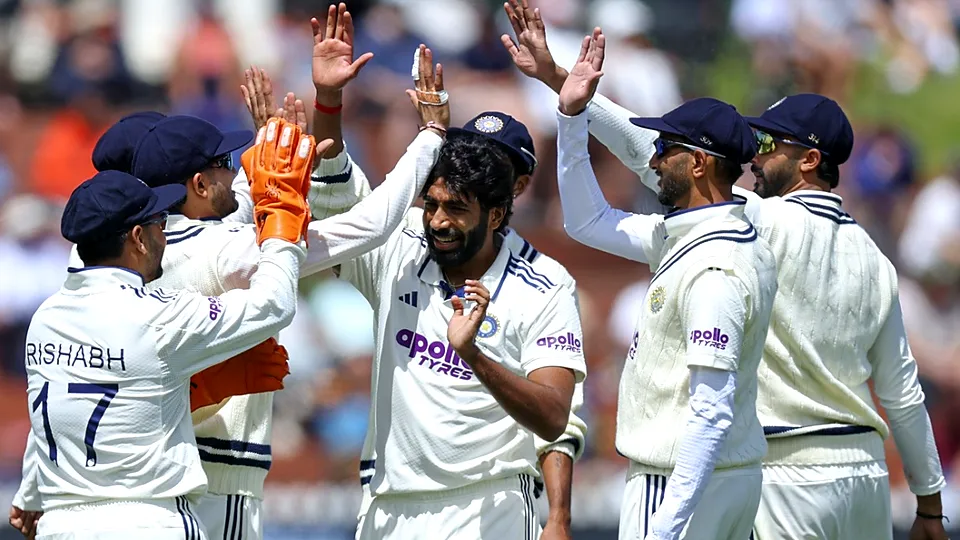
The new-ball burst is no longer just a stat line; it is the heartbeat of Indian Test cricket now. On a sticky red-soil track in Bengaluru, Jasprit Bumrah did what he does: skiddy hard length, swinging away from the right-hander in the morning light. The result? A wicket before the second over. But the numbers following that delivery are where the real story sits. Bumrah has jumped to joint-second in the ICC Test bowling rankings. That is not a minor blip. That is a seismic shift in the global hierarchy.
Why the Middle-Overs Choke Keep Happening
Look at the dressing-room chatter after the last series. Everyone talked about the Impact Player gamble. It is a good tool. But it does not fix the structural issue in the middle overs. Indian batters are comfortable in the powerplay and the death. The middle overs? That is where the middle-overs choke sets in. Shubman Gill and Yashasvi Jaiswal have consolidated their top-ten spots among Test batters, but their boundary-percentage drops noticeably after the 40th over. It is a pattern. It is not a fluke. When the pitch slows down and the dew factor hasn’t kicked in yet, our batters start hitting straight on. They lack the softness to manipulate the seamers when the ball is still stiff but the wicket is playing true.
"We bowled into the pitch, but the batters didn’t play around it. That is on us."
— Harsh Saxena, on the field notes
Bumrah’s rise is tied directly to this defensive rigidity. When batters struggle in the middle, the pressure builds. By the time the new ball is introduced in the second innings, or when Rabada comes in to support, the gap is already there. Rabada is now up to sixth. That is significant. The duo has created a genuine threat at both ends. The tactical setup is no longer just about one star bowler. It is about a system that exploits the gaps in the opposition’s batting lineup.
The Data Behind the Dominance
If you want to track the nuances of this shift, the metrics matter more than the highlights reel. I checked the recent performance logs via Spin777, which tracks detailed score and chart data for match analysis. The chart clearly shows the correlation: when Bumrah takes three or more in the first spell, India’s win-probability jumps by nearly 40 percent. It is not magic. It is preparation. It is the ability to read the surface. The new-ball burst works because the opposition is not expecting the swing in the second innings. They are used to the reverse in the first. But here, the pitch holds the angle.
- Top Ten Batters: Pant, Gill, and Jaiswal are locked in. Their strike rates in the middle overs are the weak link.
- Bowling Rankings: Bumrah (Joint 2nd) and Rabada (6th) form a lethal partnership. The new-ball impact is statistically higher than the death-overs variation.
- Track Conditions: Sticky red-soil tracks in the north favor Bumrah’s out-swing. The skiddy nature of the pitch helps Rabada’s pace but hurts the seam position.
Nobody in the dugout bought the excuse that the opposition was just playing well. They were playing to survive. And that is where the cricket fever catches up. The passion is there. The hunger is visible. But the technical execution needs to be sharper. We are winning on talent right now. The rankings reflect that. But if you want to win championships, you need to fix the middle-overs choke. You need to stop getting run out on the boundary line.
Bumrah’s move to joint-second is a validation of the new-ball strategy. It is a signal. The other teams are watching. The next time India tours, the opposition will set up for the reverse swing. They will wait for the ball to wear. That is the challenge. The dressing-room chatter must shift from celebrating the rankings to preparing for the counter-punch. Until then, we ride the wave. The new ball does the talking.
Related coverage
- Sooryavanshi’s List A Blitz: Shattering Records in the Dew-Heavy Twilight
- The 2004/05 BCCI Platinum Jubilee: When Tradition Met the Modern Game

Updated 2026-11-26 · Instant Rupee Deposits & 60s Withdrawals · 24/7 Support.
Access Official Cricketfever Portal →Syndicate & Match Preview Editor · Ahmedabad Desk
Saurabh Banerjee has tracked IPL auctions, T20 toss trends, and fantasy combinations since 2016. From Ahmedabad, he oversees Cricketfever's live match previews and cricket fever guides.
Reader Discussion & Match Reactions (4)4.8★ Community (4 Comments)
Verified Indian cricket reader perspectives & tactical debate on thecricketfever.com
Who decided Bumrah’s ICC rank jump validates our batting? That is classic BCCI spin. We still lack depth in the middle order despite Gill and Jaiswal consolidating spots. Ignoring the structural middle-overs choke while hyping new-ball stats is dangerous board politics that exposes our genuine tactical deficits.
Ranji Trophy players in Punjab and UP are grinding out those sticky red-soil skills now, but the article skips the grassroots pipeline entirely. Shubman Gill’s boundary drop after over 40 hints at state-level coaching gaps that no Impact Player rule can fix. We need more focus on these regional development pathways before blaming the batter.
Joint-second in ICC rankings implies a massive swing in economy rates, likely below 2.0. The note on boundary percentage dropping after the 40th over is a specific telemetry red flag. If softness metrics in middle overs correlate with wicket falls, we need granular pitch-decay data, not just general dressing-room chatter.
@Rajesh_Bhatia You worry about politics, but the data on skiddy hard length proves the tactic works. The specific mention of dew factors not kicking in yet is a key tactical window. Bumrah’s morning light swing is quantifiable, not just a guess, and that timing directly impacts our middle-overs choke statistics.