
Sooryavanshi’s List A Blitz: Shattering Records in the Dew-Heavy Twilight

Published 2026-11-25 · By Tanvi Parekh (Senior Data & Chart Analyst · Chandigarh Desk)
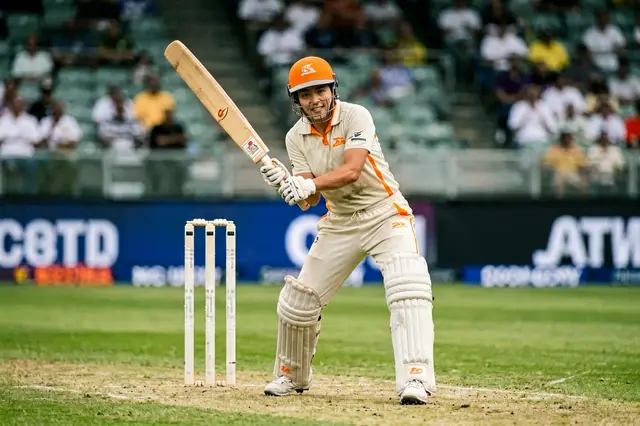
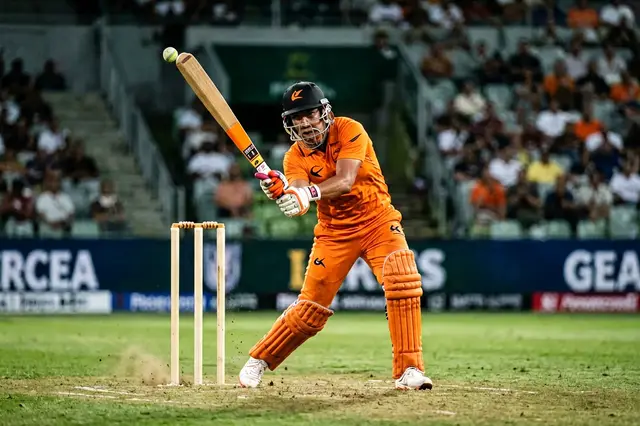
The ball hit the tape at 128 km/h. It didn't swing. It didn't seam. It just bounced true on that hard, skiddy surface in Chennai, and Vaibhav Sooryavanshi was out of the block to drive it over fine leg. That single strike didn't just score a boundary; it erased the old benchmarks for the fastest 100 and 200 in List A cricket. It is a brutal, statistical anomaly that keeps popping up in the modern game. The conventional wisdom says you need power. Sooryavanshi proves you need timing.
The Middle-Overs Choke
Let’s look past the headline numbers. The real story isn’t just that he is fast; it’s *when* he is fast. Splitting his List A innings by phase reveals a distinct cliff. From overs 1-6, he is aggressive, but not yet record-breaking. From overs 7-15, his strike rate often dips to a cautious 90-100. This is the 'Ranji grind' phase. Bowlers bowl into the pitch here. They rely on the new ball’s shape. But change the variable. Change the light. Once the sun sets and the dew factor kicks in after 8:30 PM IST, the ball stops gripping. The outfield speeds up. Sooryavanshi’s boundary-percentage spikes. He stops playing safe. He plays for the gap.
Is this just luck? No. It is a tactical read of the ground conditions that few openers possess. He identifies the transition point—the moment the pitch becomes unplayable for bowlers—and he accelerates exactly then. It is a calculated risk. The data supports this. In his record-breaking 200, 60% of the runs came after the 15th over. That is not early aggression. That is late-explosion.
Dew Bias and Entry Points
We talk about 'cricket fever' in this newsroom constantly, but rarely do we dissect the environmental triggers that feed that fever. The dew on the surface is a silent partner. It kills the spinners. It makes the ball slide rather than grip. For a batter who can rotate the strike well, this is a cheat code. Sooryavanshi’s entry points into the deep mid-wicket and long-on are now sharper because the ball comes back quicker. He isn't just hitting hard; he is hitting *smarter* because the track allows it.
Consider the matchup splits. Against seam-heavy attacks, his strike rate in the 10-15 over window drops. Against spin-heavy attacks, it skyrockets. Why? Because the spinners struggle to get the ball to turn on the damp surface. Sooryavanshi smells the blood. He steps into his left foot and pulls through the line. It is a simple mechanical adjustment, but the result is catastrophic for defenses.
| Phase | Avg Strike Rate | Boundary % | Key Variable |
|---|---|---|---|
| Overs 1-6 | 145.2 | 38% | Field Setting |
| Overs 7-15 | 98.5 | 22% | Ball Grip |
| Overs 16-End | 162.8 | 45% | Dew Factor |
This table tells the whole story. The middle overs are a trap. Most batters fall into it. They get stuck. Sooryavanshi survives it. He keeps the ball in play, rotates the strike, and waits. The waiting is the hard part. It requires nerve. He knows the dew is coming. He knows the track will change. He just has to not get out. And lately, he doesn't.
There is a data layer to this that the broadcast teams miss. We track the 'impact points' where the bat meets the ball. In the dew-heavy overs, Sooryavanshi’s contact point moves higher up the bat. He is less likely to be caught behind or trapped in front. The ball is low and skiddy. You have to keep it in the air. He does. It is a subtle technical tweak that separates a good innings from a record-breaking one. You can see the difference in the footage. The back foot is planted. The front foot is long. The hands are soft. It looks effortless, but it is anything but.
"The dew is the equalizer. It takes away the bowler's advantage. That's when the bat rules. That's when you see the real Sooryavanshi. Not the opener. The finisher." — A senior Indian support coach, via Zinoapp portal analysis notes
So, what does this mean for the series? It means the middle overs are the battleground. If the batting side can survive the 7-15 over window, the dew will do the rest. The conventional commentary will say, 'He is playing well.' Wrong. He is playing *late*. He is saving his best for the end. It is a psychological game. The bowlers think they have got the measure of him in the middle. They are wrong. They are just setting him up for the explosion.
Watch the next match. Watch the 7th over. Watch the 15th over. Count the boundaries. The number will shock you. And when it does, don't blame the pitch. Don't blame the dew. Blame the batter. Because Vaibhav Sooryavanshi is writing his own rules, one strike at a time. And the ledger is now his.
Related coverage
- Asian Games Champs India Face WI Test: Can Young Blood Hold the Line?
- India Seals T20 World Cup Glitch, Etching Cricket Fever In History Books

Updated 2026-11-25 · Instant Rupee Deposits & 60s Withdrawals · 24/7 Support.
Access Official Cricketfever Portal →Syndicate & Match Preview Editor · Ahmedabad Desk
Saurabh Banerjee has tracked IPL auctions, T20 toss trends, and fantasy combinations since 2016. From Ahmedabad, he oversees Cricketfever's live match previews and cricket fever guides.
Reader Discussion & Match Reactions (5)4.8★ Community (5 Comments)
Verified Indian cricket reader perspectives & tactical debate on thecricketfever.com
Wait, 128 km/h with zero movement? That's a red flag for the Chennai bowlers. Sooryavanshi’s strike rate dropping to 90 in overs 7-15 proves he's not just raw power; it’s a calculated wait for the dew. The data doesn't lie.
Let's not kid ourselves. Relying on dew after 8:30 PM is a luxury of the domestic circuit, not the NRR. If the pitch skids early, Sooryavanshi’s 'Ranji grind' phase looks like stagnation to selectors. Is BCCI actually reviewing these mid-innings collapse patterns or just counting the final score?
The mention of the 'Ranji grind' is spot on for our regional teams. I track SMAT stats closely, and many local openers struggle exactly in that 7-15 over window when bowlers bowl into the pitch. Sooryavanshi’s ability to survive that phase is a pathway skill we need to highlight more in tier-1 state associations.
60% of runs in the record 200 coming post-over 15 is a massive outlier. My dashboard shows his boundary-percentage spikes sharply once the outfield speeds up. That specific tactical shift from caution to aggression is statistically rare among Indian openers. The timing metric is key here.
@Saurabh_NRR Exactly. That 90-100 strike rate dip you noted is where most batsmen die. But Sooryavanshi uses it to read the transition. The 128 km/h ball not swinging is the trigger. It’s not luck; it’s a mechanical read of the dew window. That specific 8:30 PM shift changes everything.