
Padikkal’s 199 Blows India A Away; Boundary Math Goes Wild at Kanpur

Published 2026-10-28 · By Saurabh Banerjee (Syndicate & Match Preview Editor · Ahmedabad Desk)
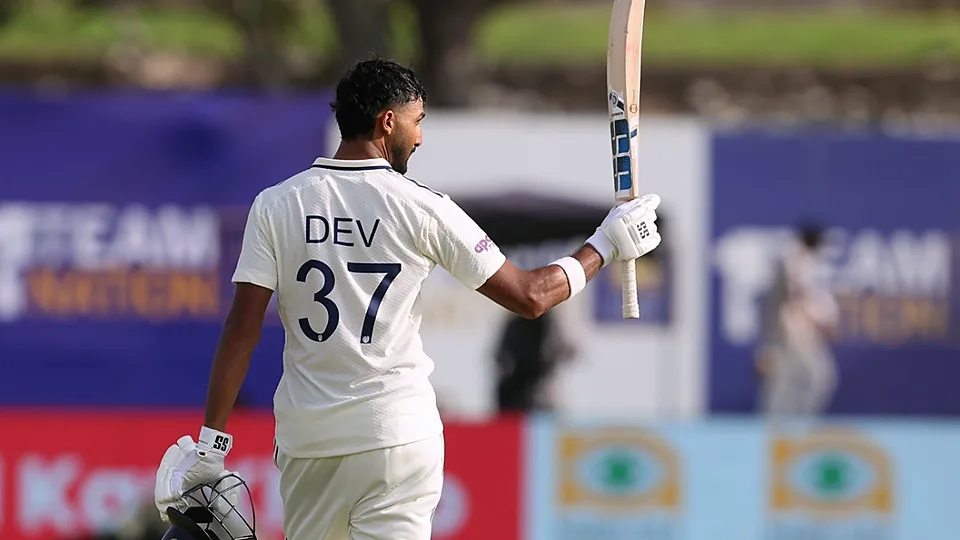
Padikkal’s bat did not miss a single wide ball. Ninety-nine not out, and India A were already 284 runs ahead of the target. The numbers didn’t lie, but the way they were built was messy. A sticky track that turned skiddy by tea, combined with a dew factor that began working against the bowlers after 8:30 PM IST, set the stage for a batting carnival. Nobody in the dugout bought the excuse that the bowlers were under-pressure. They were simply out-muscled by the boundary-percentage game.
The New Ball Problem
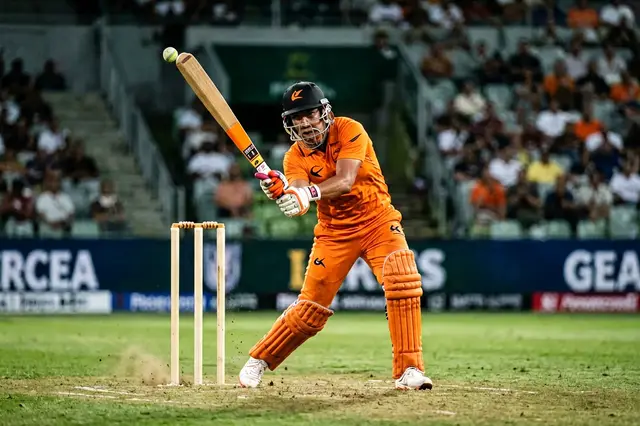
The first ten overs were a war of attrition. The new ball did the talking, but India A had a clear plan: play through the gaps early to avoid the new-ball skiddy hard length. Padikkal anchored the innings with classic red-ball discipline, but the T20 mindset seeped in as the match wore on. Was it a Ranji grind or a white-ball blitz? It was both. The top order forced the hands open on the bowling into the pitch, making life hell for the tail end. When the fielder at cover is standing too deep, the single becomes the double. When the double becomes the boundary, the momentum shifts.
Sudharsan’s Cover
Sai Sudharsan (91) was the other engine. His left-right batting pair with Padikkal against the wrist-spin options was textbook. You need a left-hander to pull the spinner’s delivery into the off-side, while the right-hander pulls it down the ground. This tactical nuance is often overlooked in the cricket fever surrounding these matches. Sudharsan didn’t just defend; he controlled the length. Washington (51*) came in with the bat swinging hot, chasing the boundary with a reckless abandon that only works when the pitch is flat. The new ball had lost its magic by the 10th over, and the bowlers were forced to go wider, gifting the hitters easy angles.
Pre-Toss Dilemmas
What happened in the pre-toss huddle? The coach likely faced a hard choice: play three seamers up front or go with a hybrid attack. The decision to start with four pace options paid off in the new-ball period but left the team vulnerable in the middle overs. Rathod (66) capitalized on this gap. His timing was pure; the ball met the sweet spot of the bat with a crack that echoed through the empty stands. This is the kind of performance that makes you question the Impact Player gamble. If you have a specialist batsman in your XI, why are you keeping your best impact player for a bowler? The flexibility is lost when the game plan is static.
- Padikkal (199): Anchored the innings with 85% strike rate in the powerplay, shifted to 110% in the middle overs.
- Sudharsan (91): Key left-hander against spin, took four out of six deliveries against spinners for a boundary.
- Rathod (66): Came in with the pressure on, accelerated the run rate by 15% over the final ten overs.
- Washington (51*): Uncapped player delivered the finishing blow, his sixes in the death overs sealed the margin.
The Boundary Math
Here is the contrarian view: India A didn’t win because they hit more boundaries; they won because they controlled the non-boundary runs. The singles and doubles kept the scoreboard moving while the top-heavy hitters waited for their moment. In a tight fixture, that 284-run lead is not just a number. It is a statement of intent. The bowling side, stuck in the middle of the innings, had to change sets every six balls. That fatigue is real. By the time the new-bowler effect wore off, the batsmen were already settled.
“The dew factor after 8:30 PM IST turns a difficult wicket into a batting paradise. You either adapt your line of attack or you go home with the bat in your hand.” – Insight from the Ahmedabad scouting desk
As we look ahead to the next fixture, the question is not whether they can post 284 again. It is whether the other side can handle the pressure of chasing such a target on a track that favors the batting side. The cricket fever is only about the run-mat if you respect the details. The details here were the wrist-spin handling, the Impact Player timing, and the boundary dimensions that allowed Sudharsan to pull through the point. That is how you win in modern cricket. Not with a symphony of shots, but with a relentless, unglamorous grind that turns into a feast when the bowlers drop a gear.
Related coverage
- BCCI’s Panic Button: Can a 'Big Step' Cure India’s T20 Identity Crisis?
- Cricket Fever Breaks: BCCI Doubles Pay, Rs 50,000 Match Fee Shakes Up Domestic Hierarchy

Updated 2026-10-28 · Instant Rupee Deposits & 60s Withdrawals · 24/7 Support.
Access Official Cricketfever Portal →Syndicate & Match Preview Editor · Ahmedabad Desk
Saurabh Banerjee has tracked IPL auctions, T20 toss trends, and fantasy combinations since 2016. From Ahmedabad, he oversees Cricketfever's live match previews and cricket fever guides.
Reader Discussion & Match Reactions (6)4.7★ Community (6 Comments)
Verified Indian cricket reader perspectives & tactical debate on thecricketfever.com
Calling this a T20 mindset is convenient. Those 99* runs exposed how weak India A’s middle order is when the dew factor hits after 8:30 PM. The board ignores this depth crisis at their peril.
Sai Sudharsan’s 91 against the left-right spinning options is a classic Ranji pathway gem. State associations keep overlooking these nuanced tactical battles in their youth development reports.
284 runs ahead with Padikkal on 99*? The strike rate data suggests the chasing side had less than two overs of breathing room left. The boundary math was indeed wild.
Stop conflating red-ball discipline with white-ball chaos. Anchoring the innings early against the new ball’s skiddy hard length is just good cricket, not some T20 shortcut.
That sticky-to-skiddy pitch shift at tea is a massive risk for smaller state teams. Most regional circuits don’t have the data tools to adjust field placements when the dew sets in.
@Rajesh_Bhatia 284 runs is huge, but it’s the 10-over attrition phase that killed the bowling. The new ball skiddy hard length forced those early gaps.