
BCCI’s Panic Button: Can a 'Big Step' Cure India’s T20 Identity Crisis?

Published 2026-10-28 · By Harsh Saxena (Executive Sports Editor · Kolkata Desk)
The scoreboard read 142-7 when the England batters stopped laughing and started dominating. It wasn't just the runs; it was the arrogance of the chase. India looked static, a team playing a 2018 blueprint in a 2026 world. The middle-overs choke was palpable, the boundary-percentage abysmal, and the bowling at the death looked like a Sunday league warm-up.
Now comes the predictable fallout. The wire reports a 'big step' is looming from the BCCI headquarters. In Mumbai-speak, that usually means a flurry of meetings, a few sacrificial lambs in the coaching staff, or a sudden obsession with a new metric. But let's be honest. We've seen this movie before.
The Myth of the 'Quick Fix'
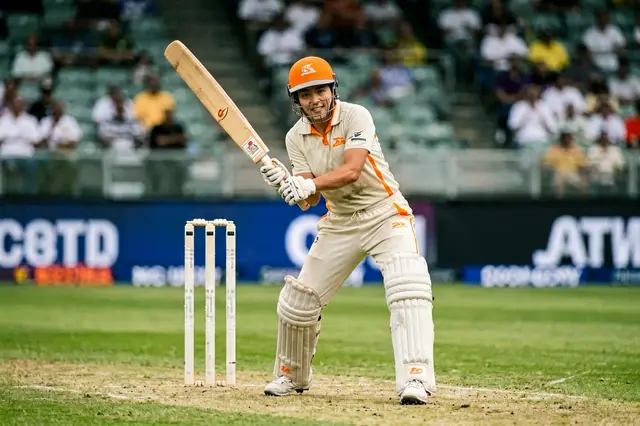
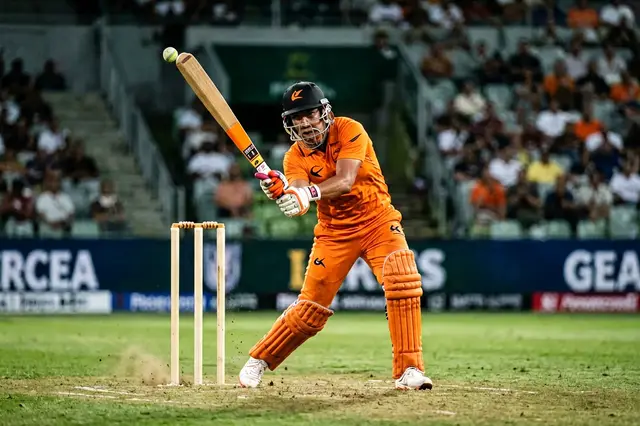
You cannot fix a systemic collapse with a boardroom memo. India’s failure against England wasn't a fluke of the dew factor after 8:30 PM IST or a few bad tosses. It was a failure of intent. The batting order looked hesitant, playing for the 15th over when they should have been clearing the ropes in the fifth. They played the percentages; England played the game.
Is the 'big step' a complete overhaul of the T20 selection criteria? Or perhaps a move toward a more aggressive, Ranji-grind mentality applied to the shortest format? The chatter in the corridors suggests a shift in how the T20 squad is structured—moving away from the 'big name' safety net toward raw, high-strike-rate specialists.
"The gap between our intent and the opposition's aggression is no longer a crack; it's a canyon."
Why the Middle-Overs Choke Persists
Watch the footage again. India’s tendency to drift into a shell between overs 7 and 14 is becoming a chronic ailment. They settle for singles. They avoid the risk. While the opposition is treating the powerplay as a suggestion and the middle overs as a launchpad, India is still playing a brand of cricket that prioritizes 'not losing' over 'winning'.
The bowling didn't help. A skiddy hard length is useless if the captain is shuffling his bowlers every two overs out of sheer panic. There was no rhythm, no pressure, and certainly no plan to stop the bleeding once England found their groove.
The High Cost of Selection Inertia
The BCCI is now facing a crossroads. They can either tinker at the edges or rip up the script. If the 'big step' is merely an Impact Player gamble or a change in the batting order, it's a waste of ink. We need a cultural shift. The current setup is too comfortable; the stars are too entrenched.
For the fans caught in a state of genuine cricket fever, the frustration is justified. We are tired of the 'learning process' narrative. At this level, you don't learn on the job while losing series at home. You execute, or you make way for someone who can.
Here is what a real 'big step' would look like:
- Ruthless Culling: Dropping established names who cannot maintain a 140+ strike rate in the middle period.
- Tactical Autonomy: Giving the captain actual freedom to experiment without the shadow of the selectors looming over every bold call.
- Domestic Integration: Bringing in T20 specialists from the domestic circuit who aren't afraid to swing across the line.
The BCCI is about to announce its move. Whether it's a genuine tactical pivot or just another exercise in damage control remains to be seen. But one thing is certain: the era of coasting on reputation is over. England showed us the door. It's time India decided if they actually want to walk through it or just keep staring at the handle.
Related coverage
- Cricket Fever Breaks: BCCI Doubles Pay, Rs 50,000 Match Fee Shakes Up Domestic Hierarchy
- Bhuvneshwar’s Return: No Magic, Just Honest Grinding on the Red Soil

Updated 2026-10-28 · Instant Rupee Deposits & 60s Withdrawals · 24/7 Support.
Access Official Cricketfever Portal →Syndicate & Match Preview Editor · Ahmedabad Desk
Saurabh Banerjee has tracked IPL auctions, T20 toss trends, and fantasy combinations since 2016. From Ahmedabad, he oversees Cricketfever's live match previews and cricket fever guides.
Reader Discussion & Match Reactions (6)4.7★ Community (6 Comments)
Verified Indian cricket reader perspectives & tactical debate on thecricketfever.com
142-7 tells half the story; the boundary percentage during the chase tells the rest. We batted for the 15th over while England cleared the ropes in the fifth—that delta is the whole crisis. Boardroom metrics won't fix a 2018 blueprint.
Watch how this plays out—a couple of assistant coaches sacked, one new 'metric' unveiled, and the selection committee escapes untouched. The 'big step' is designed to look like accountability while protecting the same big names who froze at 142-7.
If the 'big step' is shifting toward raw high-strike-rate specialists, they're sitting in Ranji and domestic squads right now, ignored because they lack the big-name safety net. State association scouts see this every season. Selection criteria change starts there, not in a Mumbai boardroom.
Everyone blames the dew after 8:30 PM IST, but England's chase wasn't conditions—it was a gap Harsh Saxena rightly called a canyon. When your death bowling reads like a Sunday league warm-up, no toss adjustment covers that spread. Chart boundary-per-over before blaming weather.
Counter-point: England playing 'the game' while we play percentages sounds neat, but copying their template is just another 2018-style fad. One 142-7 collapse and suddenly the big names are the whole problem? Panic Button decisions made in October rarely survive a home season.
@Saurabh_NRR Exactly, and the scary part is the wire suggests the 'big step' might just be meetings and a new metric rather than an actual overhaul of T20 selection criteria. Until the big-name safety net goes, we'll keep batting for the 15th over.