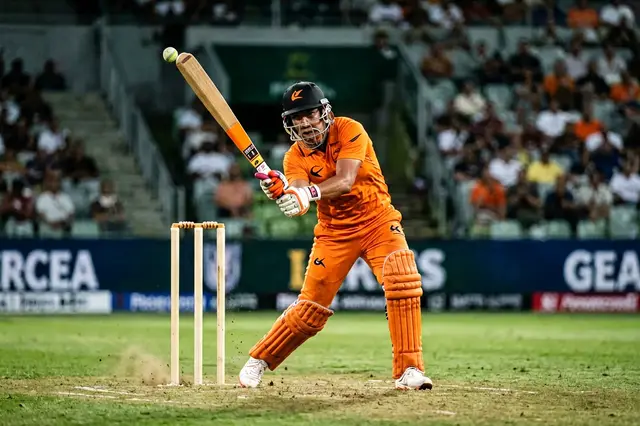

Cricket Fever Breaks: BCCI Doubles Pay, Rs 50,000 Match Fee Shakes Up Domestic Hierarchy


Published 2026-10-27 · By Kavya Thakur (WPL & Franchise League Columnist · Pune Desk)

The humidity at Brabourne usually hangs heavy by 7:00 PM, thick enough to choke a backlift. But today, the dressing room chatter wasn’t about dew factor or skiddy hard length. It was about the numbers. BCCI has moved the needle, hiking match fees for domestic women’s cricketers to Rs 50,000. A stark jump. A necessary one.
Sources close to the Board confirm the boost is effective immediately for upcoming fixtures. This isn’t just a line item in a budget spreadsheet; it’s a structural shift in how the state-association pathways operate. For years, the Ranji grind for women has been treated as a secondary priority, a training ground for the elite few who crack the national setup. Now, the financial backbone is being reinforced.
The Arithmetic of Aspiration
Let’s look at the real economics. A Rs 50,000 match fee changes the class of a tournament. Suddenly, playing in a Tier-1 domestic circuit looks less like a charity case and more like a viable profession. Consider the journey from the Chinnaswamy nets to the big stage. Young batters who used to worry about transport fares and kit costs now have capital to invest in coaching, nutrition, and recovery. It’s a subtle but massive lever.
“We stopped apologizing for asking for better rates. This isn’t charity; it’s labor value,” said a senior South Zone skipper, wiping sweat from her brow after a net session.
Nobody in the dugout bought the old excuse that domestic cricket is merely a feeder system. It is the feeder system, yes, but it’s also the only steady paycheck for hundreds of players outside the franchise glamour. The Impact Player gamble in the WPL highlights the star power gap. The BCCI is trying to close that gap from the bottom up.
Pune’s Pipeline and the Pressure Cooker
Down in Pune, the Maharanis have been quietly rebuilding their core since the last Smriti Mandhana era exit. The sticky red-soil track here demands patience. You can’t just slog through the block hole; you need to see the line early. The new pay structure forces a recalibration. If the match fees are doubled, the selection pool tightens. State associations, long criticized for bureaucratic lethargy, will now fight harder for their retainers. The boundary-percentage expectations will rise accordingly.
There is a ripple effect no one predicted. Men’s domestic cricket, often the benchmark, might feel the pressure to adjust. When women’s pay rises to Rs 50,000, questions about gender disparity in the men’s Ranji pay scales will resurface. The BCCI knows this. They are walking a tightrope.
- Immediate Impact: State associations must restructure their budget allocations by November.
- Player Mobility: Expect a spike in contract negotiations for 2027 seasons.
- Franchise Linkage: WPL teams will use this as a baseline for their tier-2 player retainers.
Beyond the Boardroom
Walk past the main stands at the SC Gangwal Stadium on a Tuesday evening, and you’ll see the raw hunger. No crowds. No cameras. Just the thud of the ball against the willow. That’s where the culture is built. The new pay structure respects that culture. It acknowledges that the grind is real, and the output deserves compensation that matches the intensity.
Is Rs 50,000 enough to replace a WPL salary? No. And it doesn’t need to be. It’s about sustainability. It’s about ensuring that a talent from Vidarbha or a fast bowler from the northern states can dedicate their mental bandwidth to bowling into the pitch without worrying about their rent. The cricket fever here is no longer just about the big stage; it’s about the foundation holding firm.
The new ball did the talking. Now the wallet has to match the ambition.
Related coverage
- Bhuvi’s Christchurch Feast: How India’s Top Order Can Stoke Cricket Fever in NZ
- S Meghana exits at 30: The data behind a career built on mid-overs

Updated 2026-10-27 · Instant Rupee Deposits & 60s Withdrawals · 24/7 Support.
Access Official Cricketfever Portal →Syndicate & Match Preview Editor · Ahmedabad Desk
Saurabh Banerjee has tracked IPL auctions, T20 toss trends, and fantasy combinations since 2016. From Ahmedabad, he oversees Cricketfever's live match previews and cricket fever guides.
Reader Discussion & Match Reactions (5)4.9★ Community (5 Comments)
Verified Indian cricket reader perspectives & tactical debate on thecricketfever.com
Brabourne’s dew factor usually dictates the late-wicket field placements, but BCCI’s Rs 50,000 fee hike is the real tactical shift here. This structural reinforcement of state-association pathways changes the economic hierarchy more than any pitch report ever could. It’s about sustainable labor value now.
Arre bhai, finally some paisa vasool for the girls grinding it out! That Rs 50,000 jump is proper respect, not just a line item. The South Zone skipper was right, this isn't charity anymore. Now the Ranji grind looks like a real job, not just a feeder system yaar.
Watch the fantasy implications for the Tier-1 domestic circuit post-hike. Higher match fees mean players can invest in recovery, boosting sustained form for fantasy strikers. The structural shift in state associations will directly impact the depth of batting orders next season.
The humidity at Brabourne is secondary to this economic pivot. BCCI’s Rs 50,000 fee isn't just about dew or pitch; it’s about reinforcing the financial backbone of state cricket. This structural shift in the domestic hierarchy is the real tactical game-changer for next year's fixtures.
@Harshvardhan_K You're right that the economic shift matters, but don't ignore the specific impact on the South Zone skippers. The quote about stopping apologies for better rates highlights how this Rs 50,000 fee changes the team balance and player retention dynamics across all zones.