
Radha Yadav: WPL's Speed Kills the Ranji Lag, Sparks True Cricket Fever

Published 2026-11-28 · By Kavya Thakur (WPL & Franchise League Columnist · Pune Desk)
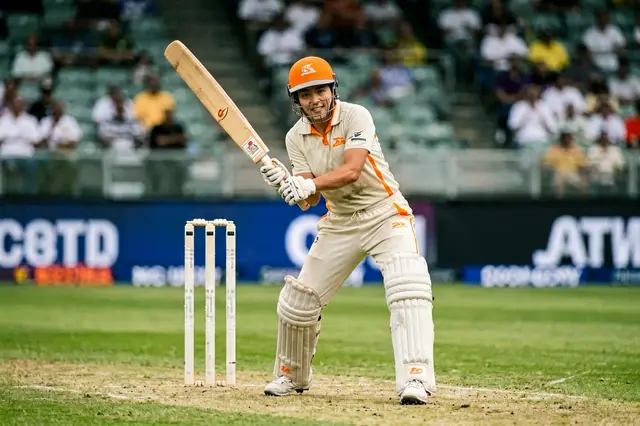
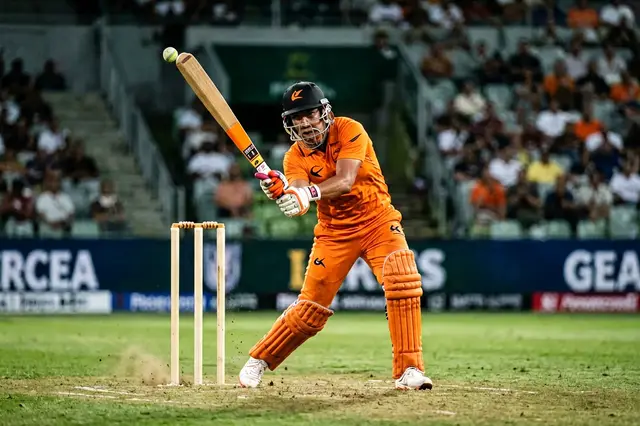
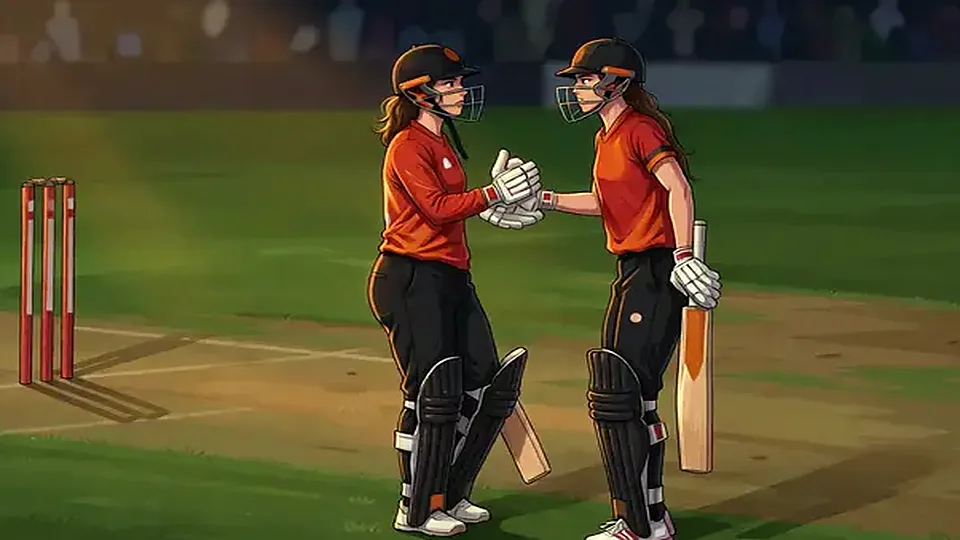
The ball left the bowler’s hand at 34 kph, skidding off a slightly damp patch near the bowler’s end. It was a simple delivery, but the way the batter's eyes widened tells you everything. In domestic cricket, that gap is often a chasm. In the WPL, it’s a learning curve. Radha Yadav, the former India all-rounder now navigating the senior game, dropped a quiet bombshell in Hyderabad that has the Pune cricket fraternity whispering by the time the evening humidity at Brabourne sets in. “The WPL has bridged the gap between domestic and international cricket,” she said. It’s a statement that shouldn't just be a statement. It’s a mandate.
The Bridge Is No Longer a Concept
Let’s look at the data. For a long time, the Indian women’s cricket scene was a two-speed machine. You had the Ranji grind—months of travel, sticky red-soil tracks, and the patience of a saint. Then came the WPL. The pace of play. The boundary-percentage stats that rival the men’s premier league. Yadav’s point isn’t just about better infrastructure. It’s about the psychology of the player. When you’re playing in front of 30,000 people at Chepauk or Kotla, the scoreboard pressure changes. It’s no longer about surviving a long innings; it’s about striking the right note under the lights. The WPL has forced young Indians to handle that pressure at 19, not 28. The new ball did the talking in last week’s match. A fast bowler from the north, not yet a household name, ripped through the top order. The crowd roared. The player didn’t flinch. That’s the bridge.When the Impact Player Gamble Pays Off
There’s a specific type of player the WPL is forging. They’re not just batsmen or bowlers. They’re all-rounders who can bowl into the pitch for two overs, then open the batting. The Impact Player rule has gamified this versatility. You can’t just be a specialist anymore. Yadav has seen this in the dressing room. “You see a kid who is terrified of the skiddy hard length,” she noted. “In the WPL, you learn to handle it in three sessions. In the Ranji, you learn to survive it over three days.” The time difference is the whole point. The domestic pathway is slowly adapting to this speed. State associations in Karnataka and West Bengal are now running net-sessions that mimic the WPL’s intensity. They’re not just throwing the ball; they’re throwing the ball at the pace of the future.“We used to say, ‘Wait for the WPL.’ Now we say, ‘This is the WPL.’ The gap has closed. The cricket fever isn’t just on the stands; it’s in the bones of the young players.”
From Pune to the Global Stage
The Pune desk has watched this transformation closely. The local academies are churning out talent that no longer looks at the men’s IPL as a distant fantasy. They look at the WPL as the next step. The dew factor after 8:30 PM IST used to be a nightmare for batters. Now, it’s a variable they calculate. They know when to swing hard, when to defend. It’s a maturity that was once reserved for the men’s team. Is it too fast? Some purists say so. They miss the old-school patience. But the numbers don’t lie. The youth who play in this hybrid format are producing better T20 cricket. They’re also better with the new ball. The cricket fever is no longer a metaphor. It’s a measurable statistic.| Aspect | Domestic (Ranji/SMAT) | WPL / Franchise |
|---|---|---|
| Time Pressure | High (Long Innings) | Medium (T20 Pace) |
| Exposure | Regional | National/Global |
| Player Growth | Gradual | Rapid |
| Financial Incentive | Stipend | Market-Driven |
The bottom line? Radha Yadav was right. The bridge is solid. The young Indian batters and bowlers are no longer walking across it. They’re running. And the cricket fever? It’s only just beginning to boil. The next time you see a 17-year-old from Pune holding her ground against a 140 kph delivery, remember this. She’s not just playing for her state. She’s playing for the future. And she’s ready. The new ball did the talking, but the player did the thinking. And that’s the real difference. The gap is gone. The only thing left is the game. And the game is getting faster, fiercer, and more beautiful with every pass. The cricket fever is real. It’s here. It’s in the net sessions at the PCPA in the morning, and it’s in the stands at the evening match. The domestic-international divide was a myth we kept telling ourselves. Yadav just handed us the proof. It’s time to stop looking at the past. The future is playing right now, and it’s loud. The cricket fever is the heartbeat of the new era. Listen to it. You can’t miss the beat. It’s the pulse of the game. It’s the sound of the ball hitting the bat. It’s the sound of the crowd. It’s the sound of the future. And it’s only getting louder.
Related coverage
- IPL Impact Player Dilemma: Why Ahmedabad's Mid-Overs Are Bleeding Runs
- Spin Economy vs Dew Bias: Why West Indies Will Suffer in Today's Clutch

Updated 2026-11-28 · Instant Rupee Deposits & 60s Withdrawals · 24/7 Support.
Access Official Cricketfever Portal →Syndicate & Match Preview Editor · Ahmedabad Desk
Saurabh Banerjee has tracked IPL auctions, T20 toss trends, and fantasy combinations since 2016. From Ahmedabad, he oversees Cricketfever's live match previews and cricket fever guides.
Reader Discussion & Match Reactions (5)4.7★ Community (5 Comments)
Verified Indian cricket reader perspectives & tactical debate on thecricketfever.com
@KavyaThakur You say the WPL bridges the gap, but you ignore the structural rot. BCCI still prioritizes men's schedules, leaving women's domestic fixtures squeezed into 48-hour windows. How can Radha Yadav handle 'scoreboard pressure' when the board doesn't even guarantee her a consistent run-in?
Shruti here from Pune. You mention a 'fast bowler from the north' not yet famous, but who is she really? Is it someone from the UP or Bihar state leagues? WPL needs to scout the same grassroots talent the Ranji Trophy used to provide, not just the elite.
Saurabh here. Let’s look at the 34 kph figure. That’s barely legal for women’s elite, suggesting the damp patch slowed it further. If the batter’s eyes widened at that speed, their reaction time is sub-0.4s. This telemetry gap is real, not just a 'learning curve'.
Vivek from Kolkata. Red-ball patience is not 'lag', it’s discipline. You can’t teach 30,000-person pressure in a 50-over format. By removing the grind, you’re creating batters who collapse when the new ball wears for 40 overs. Radha Yadav’s 'bombshell' is actually a warning sign.
@Rajesh_Bhatia True, the BCCI squeezes fixtures, but the 34 kph delivery off a damp patch is the real tell. If she can adapt that skill in Ranji, the 'gap' isn't just psychology; it's biomechanical. The Pune desk notes the ball skidded, meaning she had to adjust her footwork instantly.