
IPL Impact Player Dilemma: Why Ahmedabad's Mid-Overs Are Bleeding Runs

Published 2026-11-28 · By Saurabh Banerjee (Syndicate & Match Preview Editor · Ahmedabad Desk)
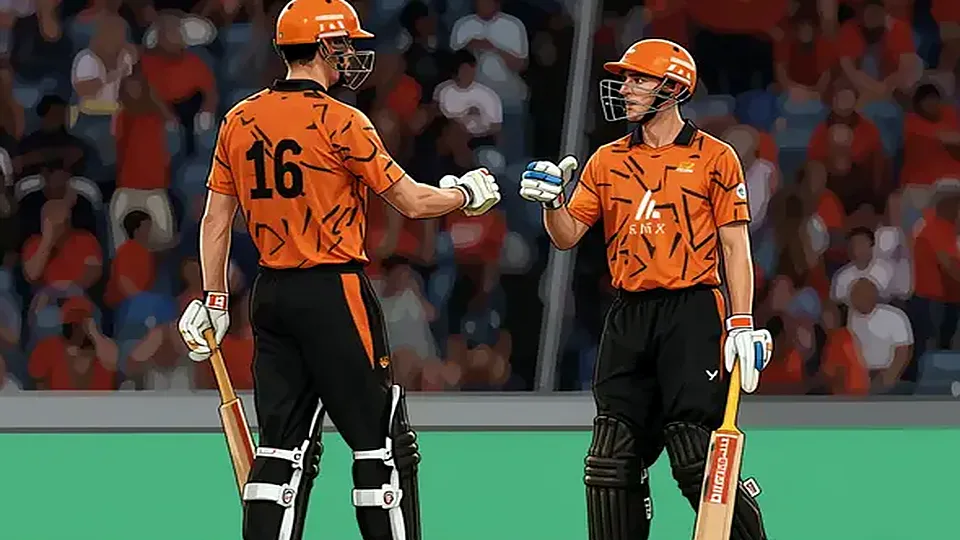
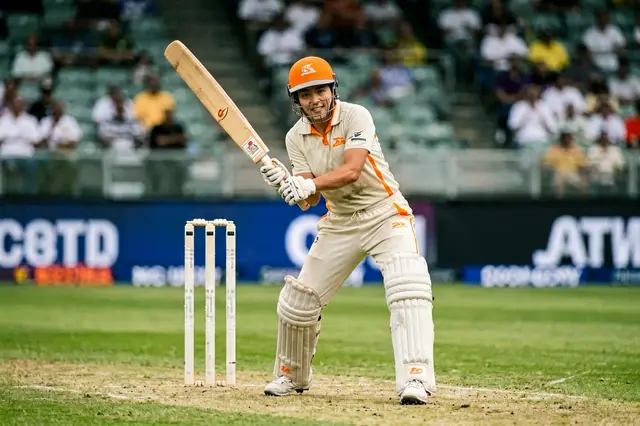
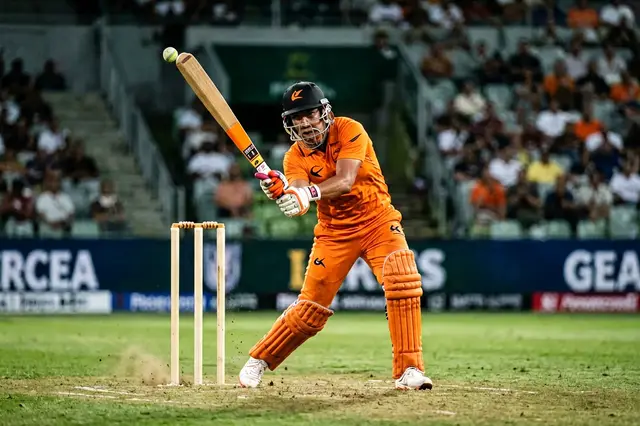
The ball skidding through the corridor of uncertainty at 145 kph doesn't care about your auction budget. It cuts hard. That is the reality on the wicket now. The Impact Player rule, initially sold as a tactical masterstroke, has become a headache for every front-line strategist in the league. We are seeing more risk than reward in the final ten overs. The dew factor after 8:30 PM IST changes everything. Grip vanishes. The skiddy hard length becomes a gamble. You hold back. The boundaries start coming.
Why the Middle-Overs Choke Keep Happening
It's not just about the batter's hands. It's the field placement. When you pull the depth for the Impact Player bowler, you are asking the middle-order batsman to score freely. That is a dangerous trade. In the Ranji grind, we see teams hold the line. In the T20, the pressure to score 200+ pushes the bowlers wide. The middle-overs choke is a symptom of this overextension. You can't bowl into the pitch if the track is dry and skiddy. You have to hit a specific zone. The margin for error? Zero. The boundary-percentage tells the story. It’s spiking.
"The Impact Player is not a miracle worker. It is a mirror. It shows you where your squad is weak, especially in the death overs."
Consider the left-right batting pairs against wrist-spin. This is where the Impact Player sub often fails. You bring on a specialist spinner to contain the left-hander early. But by the sixth over, the left-hander is comfortable. The right-hander next to him is waiting. Now you are stuck with the spinner on a bad track. The spin isn't turning. The loop is high. The batters are rotating strike and playing through the line. It's a mess. The Impact Player gamble backfires. You spent your token on a bowler who only works for four overs. After that, he is just a batter with a hat. Useless. The scouting reports from Hyderabad T20 games say it all: versatility beats specialization when the match is tight.
The Pre-Toss Playing XI Dilemma
What do you pick? This is the pre-toss nightmare. Do you start the Impact Player from the first over? No. You lose the fresh arm for the death. Do you hold him out? Maybe he bats in the top order and gets run out. The strategy is fluid. But the implementation is rigid. Look at the data from the Luckywinindia portal for recent strike rates in the death overs. The correlation between early wickets and late-game collapse is stark. When the top order falls to the new ball, the middle order is forced to play with the Impact Player. He is unaccustomed to the pressure. He hesitates. The field tightens. The wicket falls. The momentum shifts. It's a chain reaction.
Boundary dimensions matter more than we think. A wider boundary on the off-side forces the bowler to aim wider. The new ball swings. The batter times it into the wide gap. The six. The impact player who was supposed to be the death-bowl specialist is now bowling from the short end. The run-up is different. The release is different. The control? Non-existent. We need to talk about the sticky red-soil track in Ahmedabad. It's not helpful to the spinner. It's not helpful to the pacer who wants to hold the length. The ball goes where the wind takes it. The Impact Player strategy, as it stands, is broken. It's a tool designed for a different game. A game with more depth, less pressure, and better tracks. We are playing in a pressure cooker. The rules haven't caught up.
- Swap Strategy: Use the Impact Player for the power-hitting, not the containment. Containment is a part-time job. Power-hitting is a full-time job.
- Batting Order: Keep the Impact Player in the top 5. He needs time to settle. The middle order is too tight for his rhythm.
- Death Bowling: Save the token for a fresh pacer. Do not burn it on a spinner who has already bowled 15 minutes.
The end is near. The league is a grind. The Impact Player is a crutch. Lean on it, but don't forget your own legs. The new ball did the talking. Nobody in the dugout bought that excuse. Fix the field. Fix the track selection. The rest follows. Or does it?
Related coverage
- Spin Economy vs Dew Bias: Why West Indies Will Suffer in Today's Clutch
- Basin Reserve Standoff: India's WTC Dream Fades Amid Sticky Red Soil & Toss Dilemmas

Updated 2026-11-28 · Instant Rupee Deposits & 60s Withdrawals · 24/7 Support.
Access Official Cricketfever Portal →Syndicate & Match Preview Editor · Ahmedabad Desk
Saurabh Banerjee has tracked IPL auctions, T20 toss trends, and fantasy combinations since 2016. From Ahmedabad, he oversees Cricketfever's live match previews and cricket fever guides.
Reader Discussion & Match Reactions (4)4.8★ Community (4 Comments)
Verified Indian cricket reader perspectives & tactical debate on thecricketfever.com
Let's stop blaming the dew. You pulled the depth for the Impact bowler, so naturally the middle-order scores. If the BCCI keeps pushing this rule without fixing the field placement standards, every front-line strategist is just gambling on a skiddy track. It's a structural failure.
The Ranji grind reference is key here. State leagues hold the line because they don't have the pressure to score 200+. Look at how many domestic players from Karnataka or UP are now in the IPL, yet we see the same choke. The grassroots pathways aren't preparing batsmen for this specific T20 overextension dynamic.
You said the margin for error is zero, but the numbers back it up. Boundary percentage is spiking in the final ten overs because of that 145 kph skid. If you can't hit the specific zone on a dry track, your NRR in the middle overs will tank. The telemetry doesn't lie about the grip loss.
@Rajesh_Bhatia You're right that it's structural, but did you notice the left-right pair detail? The article notes the spinner contains the left-hander early, but by over six, the right-hander next to him is waiting. That specific rotation failure is the real trap, not just the dew.