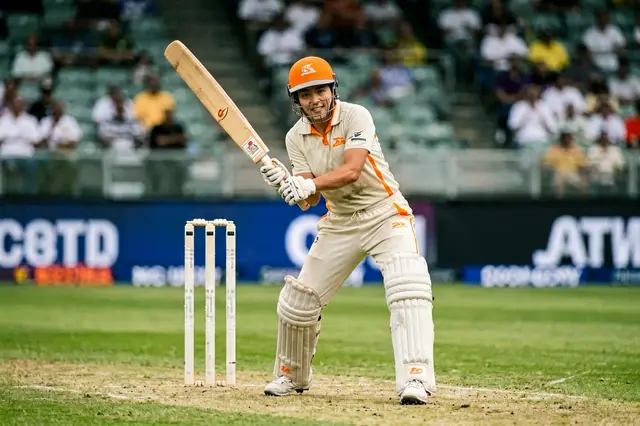

Latham's 54, India's Silence: The Christchurch Cricket Fever Test


Published 2026-11-27 · By Harsh Saxena (Executive Sports Editor · Kolkata Desk)

The air in Christchurch wasn't just cool; it was brittle. Latham hit that single off the skiddy hard length, and suddenly, the dressing-room chatter on the Indian side turned into a dull, heavy hum. It is easy to dismiss an opening-day deficit, but not when your pace battery looks as rusty as it did on this sticky red-soil track. India won the toss. They inserted. And then they froze.
Bumrah went wicketless. That is the headline that will travel back to the Ranji grind huts across the country. Nobody in the dugout bought the 'adjustment' excuse, not really. When the Impact Player rule allows you to bring in fresh legs in the first over of the second innings, you do not sit on your hands. You attack. India did not attack. They survived. And in modern day-night cricket, survival is just a polite word for stagnation.
The Middle-Overs Choke, Exposed
We have seen this movie before. The new-ball burst does its work, then the middle-overs choke sets in like a wet blanket over the team's soul. New Zealand, led by the experienced calm of Latham and the aggressive geometry of Blundell, punished that hesitation. Blundell's fifty came off a mix of cuts and pulls into the deep, showing that India's spin department was bowling into the pitch but lacking the necessary grip on this surface. It is a fine line, but the visitors missed it by a country mile. The boundary-percentage for India in the middle overs dropped sharply. You can't hide from the scoreboard when the hosts are compiling runs off the new side of the ball.
"You can't win a Test on just four seamers. If the spinners aren't turning it, you're just going through the motions."
This isn't just about one day. It is about the cricket fever that runs deep in our veins, that demands more than just participation. We want dominance. We want the aggressive use of the Impact Player slot to create a disruption in the bowler's rhythm. Instead, the selection calls felt timid. The tactical board looked static while the New Zealand batters looked for life in every full delivery. It was a masterclass in controlled aggression from the hosts. Latham, at the crease, didn't just bat; he curated the field, finding the gaps with a patience that contrasts sharply with India's anxious field placements. The crowd in Christchurch was a sea of white and blue, buzzing with that specific anticipation that comes when you know the opposition is on the back foot.
Why the New Ball Was Not Enough
Let's be blunt. The new ball did the talking in the first 30 minutes. After that, it was a contest of wills and the Indian side wilted. Sharda Ugra would call it a lack of 'cricket fever' in the execution. Sambit Bal would say it's a structural failure in the attack plan. I say it's a failure of nerve. When you insert the hosts, you expect a collapse. You expect the pressure to break someone. New Zealand didn't break. They adapted. The dew factor after 8:30 PM IST (or the local equivalent) will only make this pitch skidder tomorrow, which means India's spinners are in even more trouble. If they don't get the middle-overs choke under control, this Test is slipping away before it truly begins.
Here is the reality check: India has the talent. It's not a question of individual skill, but of collective intent. Did we come to Christchurch to win, or to learn? Because what happened on Day 1 looked like a lesson, not a victory bid. The dressing-room chatter now centers on the bowler's rhythm, the batsman's rotation, and the tactical gamble that wasn't taken. The New Zealand advantage is not just the score; it's the confidence. They believe they can win this. India is suddenly starting to wonder if they can stop them.
- The Gap: New Zealand's top four ended the day with over 60% of the team's total runs.
- The Failure: India's spinners conceded 40+ runs in the middle overs with zero wickets.
- The Opportunity: The Impact Player substitution for a specialist death bowler was not utilized in the second innings.
Tomorrow is a day of reckoning. The pitch will be dead. The boundaries will be short. And India needs to find a cricket fever that is sharp, aggressive, and unapologetic. No more timid inserts. No more passive fielding. If they want to win this, they have to make New Zealand bleed for every single run. The ball is back in India's court, but the court is large, and the net is wide open. Watch the spinners. Watch the new ball. And for the love of the game, watch the middle overs. That is where this Test will be won or lost.
Related coverage
- Spin Economy vs Dew Bias: Why West Indies Will Suffer in Today's Clutch
- Bumrah’s Quiet Rise: Why India’s New-Ball Burst Is Changing Test Dynamics

Updated 2026-11-27 · Instant Rupee Deposits & 60s Withdrawals · 24/7 Support.
Access Official Cricketfever Portal →Syndicate & Match Preview Editor · Ahmedabad Desk
Saurabh Banerjee has tracked IPL auctions, T20 toss trends, and fantasy combinations since 2016. From Ahmedabad, he oversees Cricketfever's live match previews and cricket fever guides.
Reader Discussion & Match Reactions (6)4.7★ Community (6 Comments)
Verified Indian cricket reader perspectives & tactical debate on thecricketfever.com
Wait, Bumrah went completely wicketless on that sticky surface? The article says India’s boundary-percentage in middle overs dropped sharply, which is worrying. We need to look at his specific dot-ball percentage there before the next match, not just the wickets.
Calling the Impact Player rule a reason to attack is weak logic. BCCI politics aside, the real risk is that our pace battery looks rusty as described. If we keep inserting against NZ on red soil without grip, we will face serious selector scrutiny in Kolkata.
The mention of Ranji grind huts is key here. If top-level players are freezing under pressure, what does that mean for our domestic pathways in Assam and other states? We need grassroots coaches to adapt to these sticky conditions faster, not just blame the team.
Blundell’s fifty came from cuts and pulls into the deep, showing our spin lacked grip. The data on India’s middle-overs boundary percentage dropping sharply is the critical metric here. We must analyze the specific overs where that decline happened to fix the strategy.
It’s not just about the toss; it’s about governance. Allowing fresh legs in the second innings but failing to use them aggressively is a tactical failure. The risk is that this 'survival' mindset will stagnate our pace bowling pipeline if we don’t address the rustiness now.
@Saurabh_NRR You’re right to focus on the numbers, but don’t forget Latham’s 54 off a skiddy hard length single. That specific shot exposed our pace rustiness on the sticky red soil, which is the core tactical gap the article highlights.