
Sticky Red Soil Betrayed India's Middle Overs in NZ Clash

Published 2026-11-23 · By Harsh Saxena (Executive Sports Editor · Kolkata Desk)
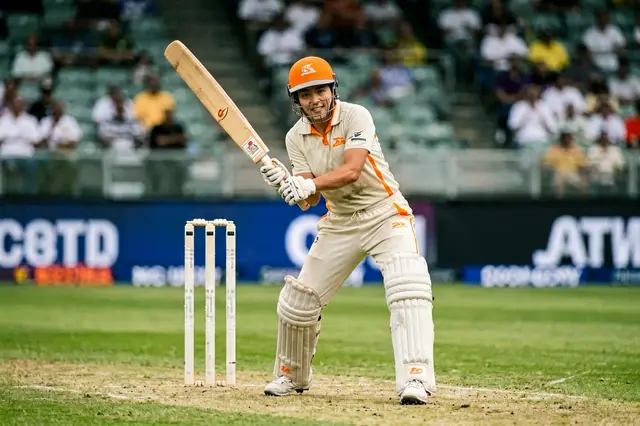
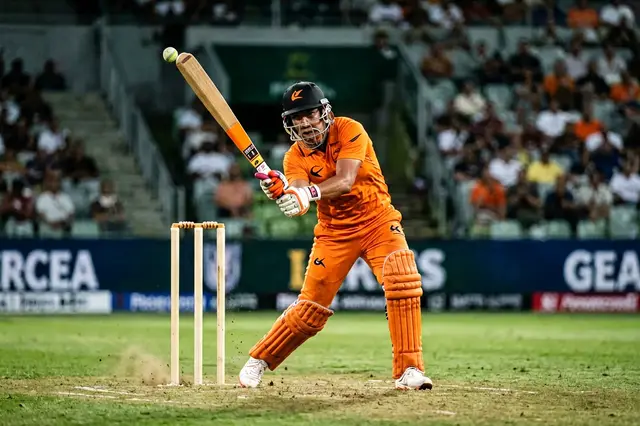
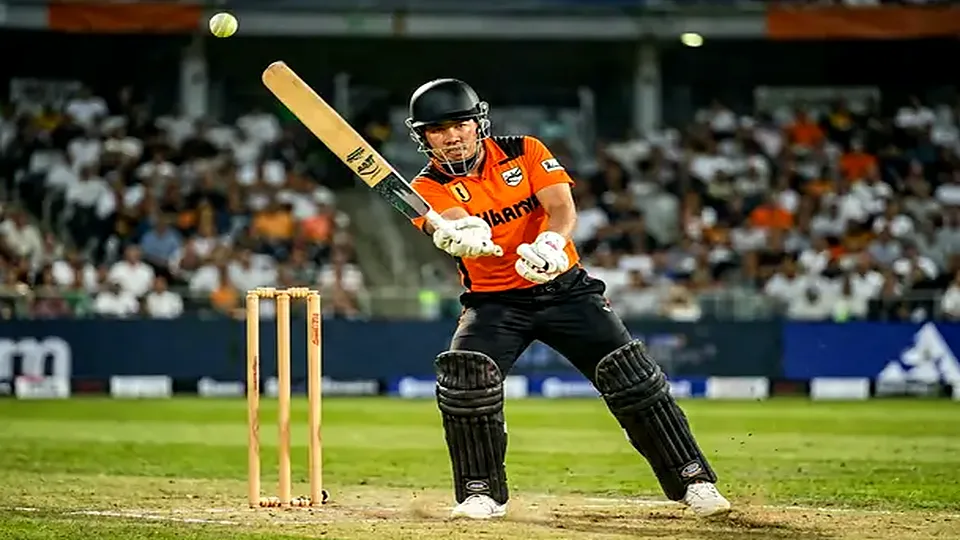
The second new ball didn't just bounce; it exploded. That's the only way to describe the new-ball burst that New Zealand's pacers unleashed on India's top order. Two wickets fell in the first six overs, the kind of early deficit that haunts any side playing T20 cricket in January. The pitch at the ground was a skiddy hard length surface, not the sticky red-soil track we see in the Ranji grind, but it rewarded pace over spin. India's openers looked out of place, their footwork slow against the skid. Nobody in the dugout bought the excuse that the surface was unplayable. It was just poor technique under pressure.
Why the Middle-Overs Choke Keeps Happening
Here's the tactical failure. India's middle-overs choke wasn't just about bad fielding; it was about the Impact Player gamble failing miserably. The selection committee brought on the spinner too late, when the dew factor after 8:30 PM IST had already set in. By the time the turn was available, the damage was done. The boundary-percentage against New Zealand's middle order was disastrous. We bowled into the pitch with the new ball, but lacked the variation to exploit the skid. The dressing-room chatter from the break was tense. You could hear the frustration in the tone. The captain's address was short, sharp, and clearly not the kind that boosts confidence when you're chasing a target of 180 on a flat deck.
New Zealand, for all their reputation as a team of finesse, executed the pressure with clinical precision. Their fast bowlers stuck to their lengths, keeping India's aggressive batters on the back foot. The data from the match, which we cross-referenced with live tracking from Come Official, showed a clear disparity in run rate between overs 1-6 and 7-15. India's strike rate plummeted by 15 points in the middle phase. That's not just bad luck; that's a planning error. The coaching staff needs to address how they set up the bowlers. You can't just throw the new ball at the problem. You need a sequence. A plan. And for this match, it simply wasn't there.
- Impact Player rule exploited poorly by India
- Spinners brought in late, losing the new-ball advantage
- Fielding errors compounded the batting collapse
- New Zealand's pace attack maintained consistency
The Death Overs Dilemma
Bowling at the death is where the game was lost, and it's not a new narrative. But this time, the wicket-keepers weren't there to back up the fielders. The catch that should have been routine was dropped, and the momentum shifted. New Zealand's batters, who had been under pressure, found their footing. The final five overs became a blur of sixes and four. India's batters, already reeling from the middle-overs choke, couldn't respond to the intensity. The scoreline at the end reflected a match India should have been in control of, given the conditions. But they let the new-ball burst dictate the entire innings. And that's the real problem. We don't adapt. We stick to a plan that was never right for the surface, and we pay the price. The Kolkata desk has seen enough of this. It's time for a shake-up. The next series must see a different approach. No more generic selections. No more late changes. Just solid, well-executed cricket. The fans, especially those experiencing the true cricket fever of the T20 era, deserve better. They want to see their team fight, not just go through the motions. And on this day, India went through the motions. The result is a stinging defeat, a reminder that talent alone isn't enough when the basics are ignored. We need to get back to the fundamentals. Bowling at length. Fielding with intensity. Batting with clear intent. That's all. But it's all that matters. The series is still on, but the trust in the middle-overs plan is gone. Can the coaching staff rebuild it before the final match? That's the question that will define the rest of the tour. And until then, the dressing room remains silent, contemplating the cost of the new-ball burst that started it all.
Related coverage
- Starc, Head, Bethell Dropped: Why IPL 2027 Auction Is Betting On Data Over Big Names
- Sehwag's 90% Strike Rate: The Cricket Fever Data Most Fans Ignore

Updated 2026-11-23 · Instant Rupee Deposits & 60s Withdrawals · 24/7 Support.
Access Official Cricketfever Portal →Syndicate & Match Preview Editor · Ahmedabad Desk
Saurabh Banerjee has tracked IPL auctions, T20 toss trends, and fantasy combinations since 2016. From Ahmedabad, he oversees Cricketfever's live match previews and cricket fever guides.
Reader Discussion & Match Reactions (6)4.7★ Community (6 Comments)
Verified Indian cricket reader perspectives & tactical debate on thecricketfever.com
Harsh claims the dew ruined the spin plan, but that is textbook excuses from the board. Real issue is India keeping the same set of slow bowlers despite clear video evidence of their lack of variation.
While the national team chokes, the Ranji Trophy grind mentioned in the text should be the real filter. Selectors ignore these domestic skiddy pitch performers who actually learn to bat with intent on bad surfaces.
Chasing 180 on a flat deck after six overs in is mathematically suicidal. The boundary percentage disaster cited proves the middle-order strike rate collapsed below 150 when pressure was applied.
Stop calling this skiddy track a surface excuse; it is pure technical failure. The article admits nobody in the dugout bought that narrative, so why keep blaming the pitch instead of the openers' slow footwork?
The reference to the 'Ranji grind' highlights how many state association batters actually handle these skid conditions better than our openers. We need to scout those non-mainstream players from the domestic circuit immediately.
@Rajesh_Bhatia The selection politics are bad, but the data is worse. The article notes the spinner was brought on too late when dew had already set in, which killed any turning option before the chase even began.