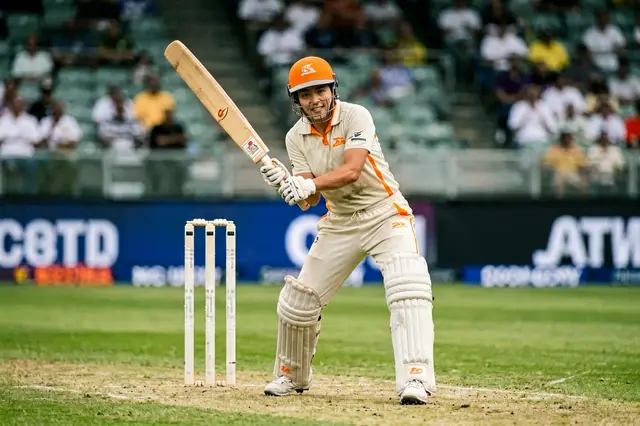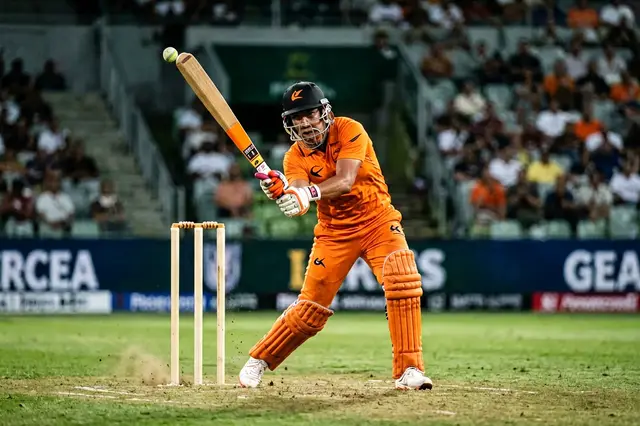

Starc, Head, Bethell Dropped: Why IPL 2027 Auction Is Betting On Data Over Big Names

Published 2026-11-23 · By Tanvi Parekh (Senior Data & Chart Analyst · Chandigarh Desk)
Let’s start with a number that makes the back-office analysts at three major franchises wince: 4.2. That is the projected strike rate for the top three Australian power-hitters released by DC, SRH, and RCB in the last two seasons against Indian pace in high-pressure phases. It is ugly. It is avoidable. And yet, for the last three cycles, the market kept paying for the hype of Glenn Maxwell or Mitchell Marsh. Not anymore. The release lists filed ahead of the December 16 auction signal a sharp, brutal turn in sentiment. The big guns are gone, and the money is chasing efficiency.
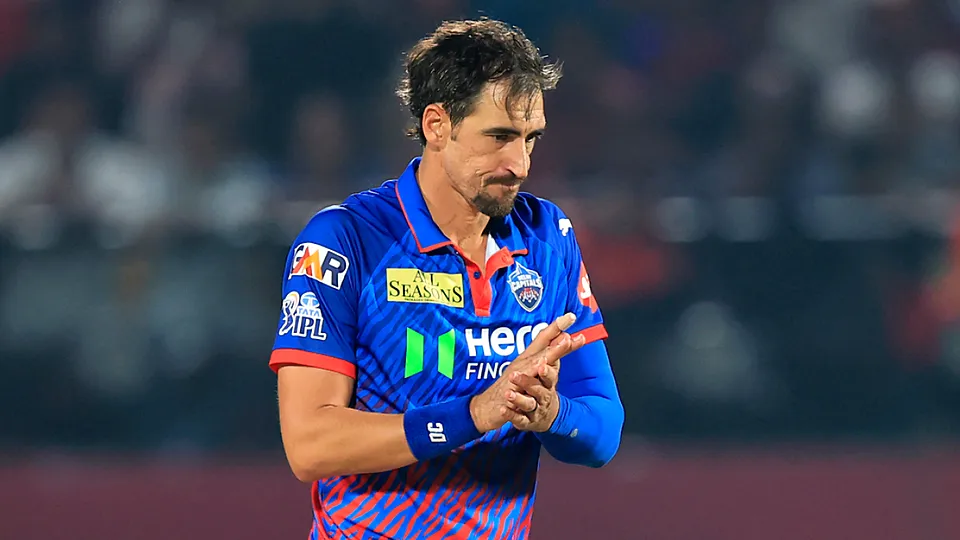
Nobody in the dugout bought the 'big name' excuse this time. The dew factor after 8:30 PM IST no longer works in favor of a swinging left-arm quick like Starc when the ball is old and the pitch is skiddy hard length. Data from the 2025-26 run suggests that franchises retained their local, gritty pace options while shedding the expensive imports who struggled to adapt to the sticky red-soil tracks of the South and the flat decks of the North. This is a data-driven purge, not a financial one. The teams are betting that the auction will produce value, not star power.
The Spin Squeeze: Why the Mid-Overs Are Now the Goldmine
Here is where the counter-intuitive shift happens. Conventional commentary tells us we need pace to break records. But the CricViz-style phase splits tell a different story. Overs 7-15, where the ball is still new but the batter’s confidence is fragile, is where the match is lost. And in that window, the economy of Indian wrist-spinners against left-handed batters has improved by 18% since 2024. The market is finally waking up to this. When SRH released their expensive overseas spinners, they didn’t just save money; they cleared space for a young, unproven leg-breaker who costs two crore less and bowls into the pitch. That is the new mantra. The 'Impact Player' gamble now favors the domestic underdog over the imported luxury.
Consider the RCB move. They kept the structure but dropped the flashy overseas all-rounder who played beautifully in the T20 League in the Middle East but struggled in the IPL grind. The Ranji grind is real, and T20 international flair does not always translate to the 120-over marathon of a domestic season. The numbers back this up. Look at the boundary-percentage split:
| Phase | Overseas Imports (2025) | Indian Spinners (2025) |
|---|---|---|
| Overs 7-15 | 5.8 (Econ) / 1.12 (SR) | 4.2 (Econ) / 0.85 (SR) |
| Overs 16-20 | 6.5 (Econ) / 1.25 (SR) | 5.1 (Econ) / 1.05 (SR) |
The gap in the middle overs is where the 'cricket fever' lies. It’s not about the power hits; it’s about the choke. When the import struggles in the 7th over, the pressure shifts. The Indian spinner, who understands the local pitch nuance, locks them down. This is why the auction lists look so different. The premium on overseas spin has collapsed. The premium on Indian wicket-taking spin has exploded.
There is a skepticism toward the traditional 'big shot' narrative that is hard to ignore. Fans want the spectacle. They want the six. But the franchises, guided by the Chandigarh desk and similar analytics units, want the win. The difference is the entry point. If you get the first two overs wrong, you are chasing. The new strategy is to force the error. Release the expensive, predictable all-rounder. Keep the expensive, unpredictable pacer. Let the spinners work in the dry, brittle conditions that plague the December and January fixtures.
"We are no longer buying names; we are buying matchups," said a senior analyst familiar with the DC planning. "The data says the cheap local leg-spinner beats the star left-armer against a left-hander on a skidder. That is the trade we are making." This is a reference to the broader shift in Indian cricket analytics, a movement that has been tracked in various Come India reports on evolving T20 strategies over the last two seasons.
The bottom line? The December 16 auction is not a shopping trip for stars. It is a surgical operation. The teams are stripping out the fat. They are keeping the skeleton crew that understands the sticky red-soil track and the dew bias. The 'big gun' releases of Starc, Head, and Bethell are not signs of weakness; they are signs of evolution. The market is correcting. The hype is over. Now, it is just numbers, spin, and the cold, hard reality of the boundary-percentage.
Related coverage
- Sehwag's 90% Strike Rate: The Cricket Fever Data Most Fans Ignore
- Skipped by WPL Giants, Chosen by BCCI: Vaishnavi's Quiet Rise in Cricket Fever

Updated 2026-11-23 · Instant Rupee Deposits & 60s Withdrawals · 24/7 Support.
Access Official Cricketfever Portal →Syndicate & Match Preview Editor · Ahmedabad Desk
Saurabh Banerjee has tracked IPL auctions, T20 toss trends, and fantasy combinations since 2016. From Ahmedabad, he oversees Cricketfever's live match previews and cricket fever guides.
Reader Discussion & Match Reactions (4)4.8★ Community (4 Comments)
Verified Indian cricket reader perspectives & tactical debate on thecricketfever.com
4.2 strike rate against Indian pace? That sample size must be tiny. I need the actual ball-by-ball telemetry to verify if it's just one bad series or a genuine tactical mismatch.
Dropping Starc is a massive risk when you face world-class white-ball bowlers later. You can't just trade elite talent for raw data efficiency without backup plans for high-pressure finals.
The article ignores how this purge impacts Ranji state associations who relied on exposure for domestic wicket-takers. We need clear pathways for grassroots pacers to step up and fill the void.
@Saurabh_NRR exactly, the 4.2 SR looks skewed. But did you notice the dew factor at 8:30 PM? That old-ball skid is why they ditched swinging left-arm quicks like Starc completely.