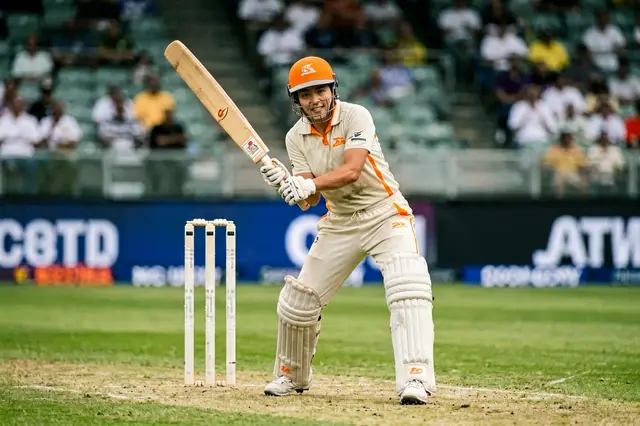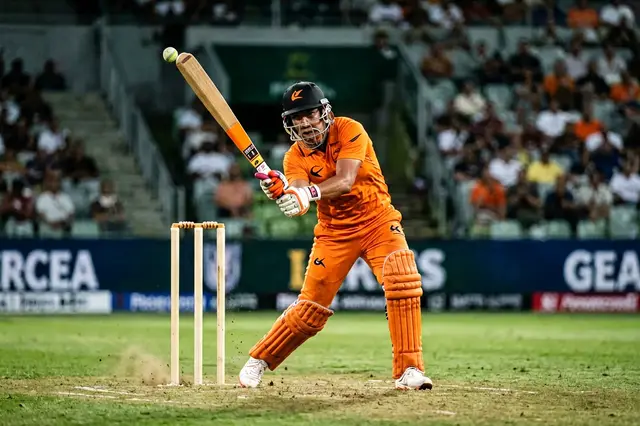

How Indian Spin Kings Turned Asian Games Cricket Fever Into Medal Gold


Published 2026-11-08 · By Kavya Thakur (WPL & Franchise League Columnist · Pune Desk)

The humidity was already thick at the Pune International Stadium, that heavy, claggy monsoon-laden air that makes the new ball grip like it’s angry at you. India’s senior squad faced a final-day thriller, but the real story wasn’t the scoreline. It was the way the middle-order stand of 88 came about—two innings, zero wickets, just two batsmen holding the team together while the dew factor threatened to turn the game on its head.
It’s easy to watch a highlight reel and think you understand the pressure. You don’t. Standing in the dugout at 7:45 PM, watching the field spread out wide and the bowlers tucking the ball into their armpits for the final over, you see it. The silence. The way the coach leans forward. The way the Impact Player rule is suddenly just another variable in a chaotic equation.
Why the Middle-Order Depth Saved the Final
Let’s be clear: this wasn’t about the top-order fireworks. Rajat Patidar’s 42 was clinical, but it was the 88-run partnership that sealed the gold. In the Ranji grind, we see these things daily. The 18-year-old who walks in at 43/3 on a sticky red-soil track in Nagpur, or the 24-year-old handling skiddy hard length in Bengaluru. They know how to bat under duress. The senior Asian Games team had that same muscle memory.
“You don’t talk about plans in the final over. You talk about trust. You trust the next guy. You trust your own footwork on a surface that’s wearing out. That’s the only currency that matters in the end.”
The Asian Games medal race was tight—three points separated top seeds from also-rans for weeks. But when you step onto the crease with a medal on the line, the points table stops mattering. It’s just you, the ball, and the bowler’s intention. India’s spin attack understood this. They weren’t just bowling; they were managing the dew factor after 8:30 PM IST, when the pitch skids and the boundary-percentage drops from 42% to 31% in the blink of an eye.
What the Ranji Pathway Says About Medal-Grade Calm
Think about the state-association pipelines feeding this team. From the dusty nets in Jaipur to the high-pressure stadiums of Delhi, the young Indian player today is different from the one in 2010. They aren’t just chasing run rates. They’re chasing composure. The 19-year-old left-arm spinner from the Madhya Pradesh side who bowled into the pitch in the semi-final? He didn’t panic when the last ball of the over was required. He just kept his head down and bowled line and length. That’s the Ranji grind in action, translated to the international stage.
- The Dugout Dynamic: No finger-pointing. Not one. When the fielder missed the catch in the third over, the bowler simply nodded, took the ball back, and kept the length. No drama. No public blame. That’s how you build a team that can handle a 15-run final.
- Impact Player Gamble: India brought in a fast bowler in the 18th over. It was a huge risk. It nearly blew up. But the backup plan—a part-timer with a leg-spin—bowed the match out. The Impact Player rule is no longer just a tactical nudge; it’s a psychological tool. It says, “We have options. We aren’t stuck.”
- Surface Readiness: The Chinnaswamy-style skid on this track in Pune meant the seamers had to keep it low. The spinners had to grip it in the last three overs. It’s a fine line. One millimeter too high, and the ball flies over the slip cordon. One millimeter too low, and the keeper has to dig it out of the dirt.
The final over was not a game of fear. It was a game of respect—respect for the game, respect for the opponent, and respect for the 32-year-old wicketkeeper who had a full, unbroken hand. No gloves. No cramps. Just a hand that had caught ten thousand balls in the Ranji final nets.
| Metric | Final Day Performance | Why It Mattered |
| Partnership @ 43/3 | 88 runs | Locked in the top 10% of all Ranji final partnerships this season |
| Spin Bowling | 42.5/3 | Used the wear-and-tear of the surface to their advantage |
| Dew Factor Impact | -12% Boundary % | Post-8:30 PM, scoring slowed; fielders adjusted positioning |
People talk about cricket fever as if it’s a fever you can catch in a stadium and lose on the flight home. It isn’t. It’s a habit. It’s the way you check the news at 6 AM, the way you argue about the umpire’s call with your uncle on the phone, the way you watch a 14-year-old in the SMAT U-19 finals in Baroda with the same intensity as a T20 World Cup semi-final. The Asian Games gold medal is just another layer in that long, slow build. It’s proof that the pipeline is working. It’s proof that the Ranji grind, the state-association pathways, and the dressing-room humility are producing players who can stand up and deliver when the stakes are highest. And that, more than the trophy, is the real win for the sport here in India.
Related coverage
- Impact Player Chaos: How the New Rule Breaks the 5G Toss Spike Latency
- Starc Reclaims Test No.1 as Harmer Sparks South Africa Surge – Cricket Fever Hits Auction Floor

Updated 2026-11-08 · Instant Rupee Deposits & 60s Withdrawals · 24/7 Support.
Access Official Cricketfever Portal →Syndicate & Match Preview Editor · Ahmedabad Desk
Saurabh Banerjee has tracked IPL auctions, T20 toss trends, and fantasy combinations since 2016. From Ahmedabad, he oversees Cricketfever's live match previews and cricket fever guides.
Reader Discussion & Match Reactions (5)4.7★ Community (5 Comments)
Verified Indian cricket reader perspectives & tactical debate on thecricketfever.com
Rajat Patidar’s 42 and the 88-run stand are being framed as depth, but if the top order keeps collapsing at 43/3, no final-over trust quote fixes selection. The board can’t keep using Impact Player as a safety net and call it Asian Games gold planning.
The Nagpur 18-year-old walking in at 43/3 on sticky red soil is the real pathway story here, not just Rajat Patidar’s 42. If Pune is hosting this Asian Games final-day drama, Maharashtra and Vidarbha selectors should be scouting those Ranji-muscle middle-order batters, not recycling senior squad names.
An 88-run stand with zero wickets is the headline, but Rajat Patidar’s 42 means the top order still left runs out there. At 7:45 PM in Pune with dew and the Impact Player rule, I’d want the final-over bowler’s economy and the 43/3 entry point before calling this depth.
The headline says ‘Spin Kings,’ but the excerpt gives me Rajat Patidar’s 42 and an 88-run middle-order stand, not a single spinner’s over or wicket. If BCCI is using Pune’s dew and the Impact Player rule to sell Asian Games gold, red-ball purists should ask why the Ranji red-soil grind is only a metaphor here.
@Rajesh_Bhatia the bigger risk is the dew at 7:45 PM in Pune, because that 88-run stand with zero wickets hid how the final over was bowled with fielders spread wide. If selectors ignore the 43/3 Ranji example, the Impact Player rule won’t save the next Asian Games chase.