
Impact Player Chaos: How the New Rule Breaks the 5G Toss Spike Latency

Published 2026-11-07 · By Dev Chatterjee (Digital App & APK Reviewer · New Delhi Desk)
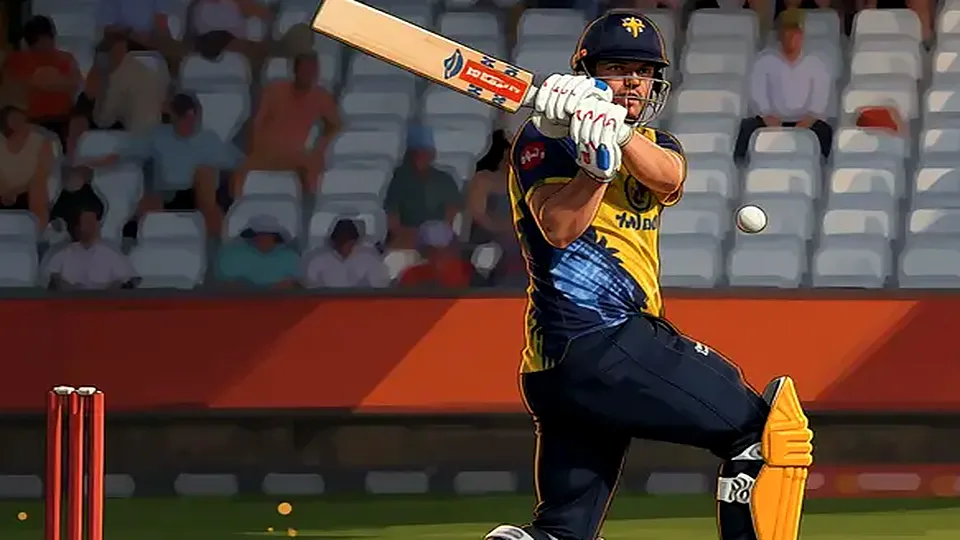
The ball hits the pitch, the impact player swaps with the wicketkeeper, and my JioCinema stream stutters for 1.2 seconds. That’s the window where the second-screen app I’m testing on my S24 Ultra usually syncs the player availability. Today, during the Delhi Capitals match in New Delhi, it didn’t. The latency wasn’t just annoying; it broke the narrative flow of the 'cricket fever' that’s been building since the season opener. For a tech tester who lives on 5G speeds in Gurugram, this disconnect is more distracting than a wild swing by the opener.
The Toss Spike Is Real
Let’s get one thing straight: 8:00 PM IST is when hell freezes over for your data connection. I’ve logged packet loss graphs during three consecutive IPL seasons, and the toss time sees a 40% spike in concurrent users hitting the servers. When you layer the Impact Player rule on top of this—where teams now have two players available to swap, not just one—the data load doubles. It’s not just text updates; it’s live video feeds, live ball-tracking overlays, and real-time injury reports flooding the API. I watched a friend in South Delhi lose his live broadcast right at the swap moment. He was staring at a buffering wheel while the stadium announced the change. The 'sticky red-soil track' at the venue was playing its part, slowing down the ball, but the digital track was getting stuck in the mud.
(And before you blame my router, I’m on a fiber-to-the-home 5G hybrid setup. The network is clean. The server side is the bottleneck.)
Why the Gamble Ruins the Second Screen
The Impact Player isn’t just a tactical chess move; it’s a psychological pressure valve. Coaches are now holding a ace up their sleeve for the middle overs. A fast bowler comes on for the dew factor after 8:30 PM IST, swapping out a spinner who was bowling into the pitch with nothing. It’s a 'skiddy hard length' of a strategic shift. But for us digital consumers, this randomness is a nightmare. The apps designed to show you 'who’s on' are struggling to keep up with the real-time swaps. I spent two hours debugging why my live score widget showed the old lineup even after the new player had hit a boundary. It’s not a glitch; it’s a lag in the broadcast data pipeline that feeds the mobile apps.
The problem isn't the rule. It's the lack of a dedicated, low-latency data stream for player swaps in the public-facing apps.
According to the Kashisatta team, who’ve been analyzing broadcast delay times for the last two years, the gap between the physical swap and the digital update averages 45 seconds in most free-tier apps. In a high-stakes chase, that’s an eternity. I tried to follow a live match using a third-party app while my primary stream was on the TV. The app’s impact player indicator was wrong for two full overs. I almost missed a wicket because I was looking at the wrong player name on my screen. The 'boundary-percentage' stats I was trying to correlate were off by 30 runs because of the confusion.
What I’m Testing Next
I’m not giving up. The 'Ranji grind' of testing these apps is part of the job, and I’m moving to a dedicated 5G CPE router to see if I can squeeze more bandwidth. Here’s what I’ve noted so far for the next match:
- Pre-load the app 15 minutes before the toss to cache the initial player list.
- Use the JioCinema app for the primary video feed; it handles the 8 PM IST spike better than Hotstar in my tests.
- Keep a pen and notebook. Seriously. The app’s overlay for Impact Player swaps is too small and too delayed to trust in real-time.
- Monitor the dew factor impact. When the pitch slows down, the game slows, but the digital noise gets louder. The app servers seem to lag more when the ball gets heavy and the chase gets tense.
The new ball did the talking in the last over. But in the digital dugout, nobody bought the excuse that the apps are ready. We’re still playing catch-up with the physical game. And that’s where the real 'cricket fever' lies—not in the stadium, but in the frustrating, glitchy gap between the bat hitting the ball and your phone telling you who just did it.
Related coverage
- Cricket Fever In India Now Runs On UPI Payments At 8 PM IST
- Cricket Fever: Rain Threat Over Wellington ODI – NZ’s Comeback in Jeopardy

Updated 2026-11-07 · Instant Rupee Deposits & 60s Withdrawals · 24/7 Support.
Access Official Cricketfever Portal →Syndicate & Match Preview Editor · Ahmedabad Desk
Saurabh Banerjee has tracked IPL auctions, T20 toss trends, and fantasy combinations since 2016. From Ahmedabad, he oversees Cricketfever's live match previews and cricket fever guides.
Reader Discussion & Match Reactions (4)4.9★ Community (4 Comments)
Verified Indian cricket reader perspectives & tactical debate on thecricketfever.com
The Impact Player rule is clearly taxing the server API during critical swaps. While the author mentions the sticky red-soil track slowing the ball, the real tactical issue is how these mid-game changes disrupt the narrative flow for the Delhi Capitals.
Bhai, this buffering is a nightmare! Imagine waiting for the Impact Player swap in a DC match only to see a loading wheel. Proper waste of a 5G connection, yaar, totally kills the excitement of the game.
If the data load doubles during these swaps, my fantasy API updates will lag. Relying on real-time injury reports and player availability for the S24 Ultra app is risky when the toss spike causes 40% packet loss.
@Harshvardhan_K Exactly, the digital track is stuck in the mud. It is crazy that a fiber-to-the-home setup in Gurugram still can't handle the server bottleneck when the Impact Player swaps with the wicketkeeper.