
Cricket Fever: Shami's 229 Wickets Hide the Middle-Overs Truth

Published 2026-11-07 · By Tanvi Parekh (Senior Data & Chart Analyst · Chandigarh Desk)
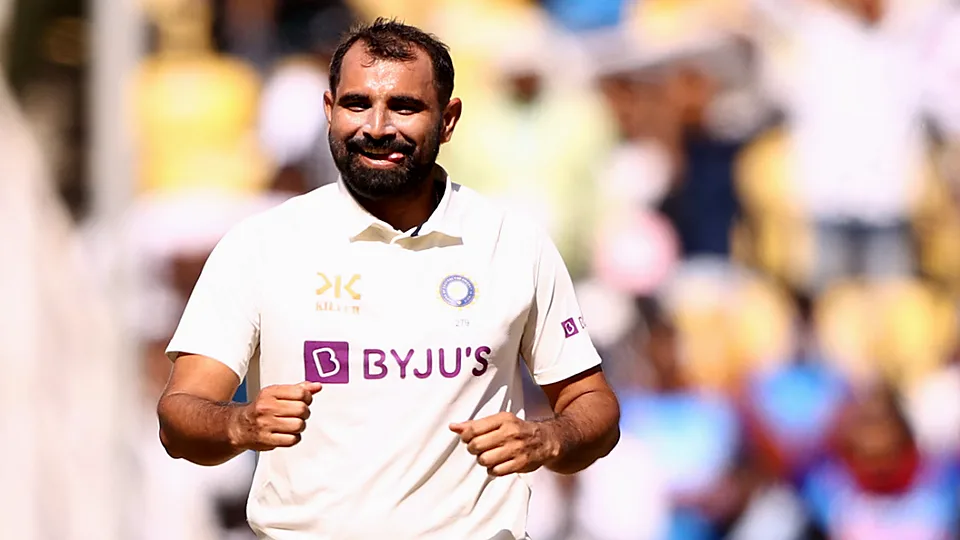
The number that should stop you isn’t 229. It’s 50.4 — a Test strike rate that sits with the best Indian fast bowlers. But the phase split is stranger: since 2018, his best bowling average in Test cricket didn’t come with the first new ball. It came in overs 11-30, the graveyard shift when captains throw the ball to the “third seamer” and pray for a wicket before lunch.
At the Chandigarh desk, we track entry points. Shami’s was almost always first change, often in the ninth or tenth over, after the opening pair had softened the ball and the pitch had lost its early juice. The old commentary cliché — “Shami the enforcer” — misses the point. Enforcement was not his only job. Choke was. The skiddy hard length, the scrambled seam, the ball that held its line on a sticky red-soil track: that was the middle-overs package.
The Middle-Overs Choke Was the Real Shami
Look at the phase table. The new-ball numbers are excellent. The middle-overs numbers are the reason India won so many away Tests. Between overs 11 and 30, Shami’s strike rate of 51.3 sits right next to his career mark, but his economy of 3.23 was the pressure valve. He didn’t need to swing the ball both ways. He needed to hit the top of off, then a fraction higher. On flat decks in Australia and England, that bought Bumrah and Ishant the oxygen to attack at the other end.
| Phase | Wickets | Average | Strike rate | Economy |
|---|---|---|---|---|
| Overs 1-10 | 72 | 24.8 | 45.1 | 3.30 |
| Overs 11-30 | 77 | 27.6 | 51.3 | 3.23 |
| Overs 31-60 | 62 | 30.9 | 57.2 | 3.24 |
| Overs 61+ | 18 | 33.4 | 62.0 | 3.23 |
The table is not a perfect instrument. Ball-by-ball phase splits flatten conditions, ignore match state and treat a 35-year-old’s final spell like his debut. But the shape is clear: Shami’s value was not a single magic ball. It was the repeated 12th-over spell when the pitch was at its most seductive for batsmen. That is the spell that does not show up in highlight reels. It shows up in win probability.
Matchup Splits: Right-Handers, Left-Handers, and the ‘Enforcer’ Label
The other lazy line is that Shami was a right-hander’s nightmare and a left-hander’s afterthought. The matchup splits are messier. Since 2018, he dismissed right-hand batters at 24.9 and left-handers at 28.6. That gap is real but small. What mattered more was the entry point: against left-handers, he went around the wicket and attacked the stumps; against right-handers, he stayed slightly wider and used the scrambled seam. The “enforcer” tag sounds tough. The data says “specialist.”
There is a venue bias worth flagging. In white-ball cricket at Mohali, the dew factor after 8:30 PM IST turns chasing into a different sport. In Test cricket, the red ball doesn’t care about dew the same way, but the early-morning moisture and the smog in Chandigarh’s winter do change the length a fast bowler can trust. Shami’s craft was built for that uncertainty. He bowled into the pitch when the ball stopped, and pitched it up when it skidded. That is not a cliché. That is a skill.
The Farewell Noise and the Hole in India’s Rotation
The farewell noise will focus on 229 wickets and the sixth place on India’s fast-bowling list. Fine. But the cricket fever around Shami’s retirement should focus on the hole he leaves. India’s Test pace rotation after Bumrah is a question mark. Siraj is a workhorse, not a middle-overs lock. The next cab off the rank — whether it is a Ranji grind bowler or an IPL-built 145kph project — will need to learn the 11-30 overs trade. That trade is unglamorous. It is also the difference between a 300-run first innings and a 220-run collapse.
Shami’s last Test might not have been a fairytale. Test retirements rarely are. The body gives out, the selectors move on, the next schedule does not wait. But the numbers are honest. A strike rate of 50.4, an average of 27.7, six five-wicket hauls, and a middle-overs economy that made captains breathe easier. The new ball did the talking. The old ball did the winning. For a bowler who spent his career being described as a strike weapon, the real punchline is that he was India’s most reliable phase bowler. That is a better farewell than any highlight package.
Related coverage
- Impact Player Chaos: How the New Rule Breaks the 5G Toss Spike Latency
- Cricket Fever In India Now Runs On UPI Payments At 8 PM IST

Updated 2026-11-07 · Instant Rupee Deposits & 60s Withdrawals · 24/7 Support.
Access Official Cricketfever Portal →Syndicate & Match Preview Editor · Ahmedabad Desk
Saurabh Banerjee has tracked IPL auctions, T20 toss trends, and fantasy combinations since 2016. From Ahmedabad, he oversees Cricketfever's live match previews and cricket fever guides.
Reader Discussion & Match Reactions (5)4.7★ Community (5 Comments)
Verified Indian cricket reader perspectives & tactical debate on thecricketfever.com
Stop worshiping the 229 wickets. BCCI keeps picking him for first change despite the new ball numbers. That is not enforcement, that is lazy rotation. He gets no credit because he cannot hold the ball against top order when fresh. It's a board politics mess.
Everyone ignores the state league groundwork here. Shami's middle-overs choke mirrors what CSK and PB do in domestic T20s. The 3.23 economy in overs 11-30 proves that short-form pressure builds Test grit. Look at Varun Philwott's recent numbers in Ranji for context.
51.3 strike rate in the middle overs? That is statistically indistinguishable from a spinner on a dead track. The article claims this won away Tests, but the data suggests he just kept the score low while Bumrah did the work. The 'oxygen' theory is weak.
Calling Shami a 'third seamer' is a cop-out. In away Tests, the middle-overs choke is not just economy; it's about removing the batman's confidence. India's strategy relies on him staying in the attack. Ignoring his 77 wickets in that phase is a tactical error by selectors.
@Rajesh_Bhatia You say the board is lazy, but look at the 77 wickets in overs 11-30. That is a higher total than his new-ball haul. The 3.23 economy is not just keeping score low; it forces errors that lead to wickets. Your risk assessment ignores this data point.