
Mithali Raj: The WPL Is Not Just Cricket, It’s Controlled Cricket Fever

Published 2026-11-16 · By Kavya Thakur (WPL & Franchise League Columnist · Pune Desk)
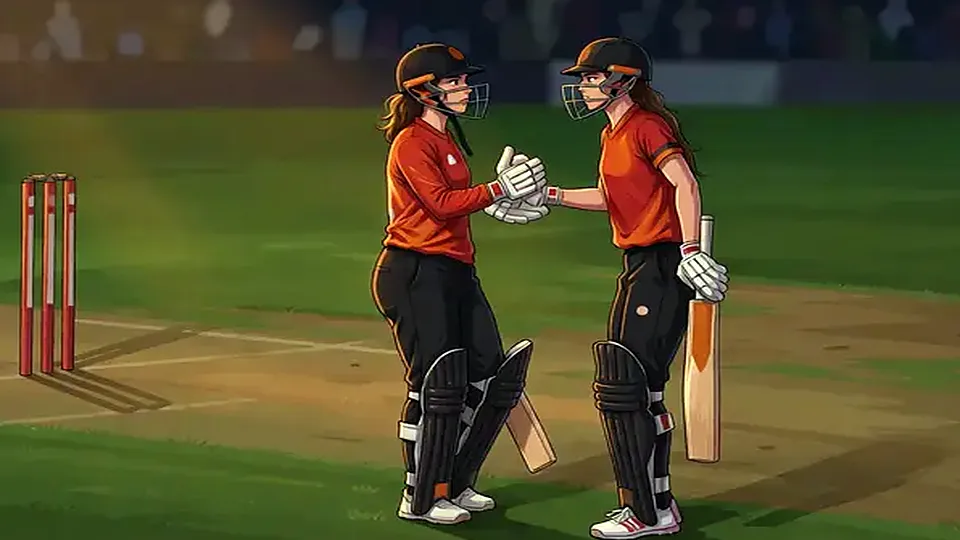
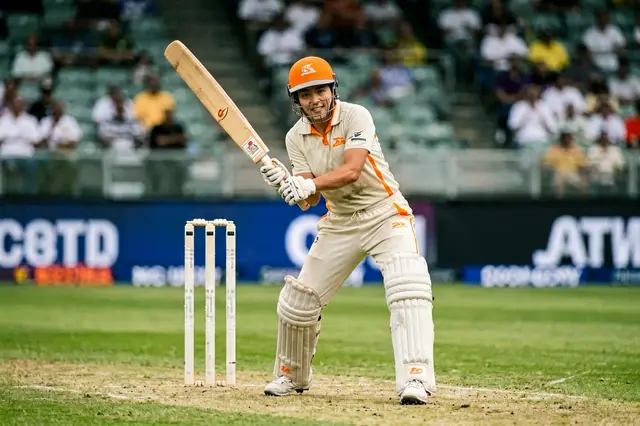
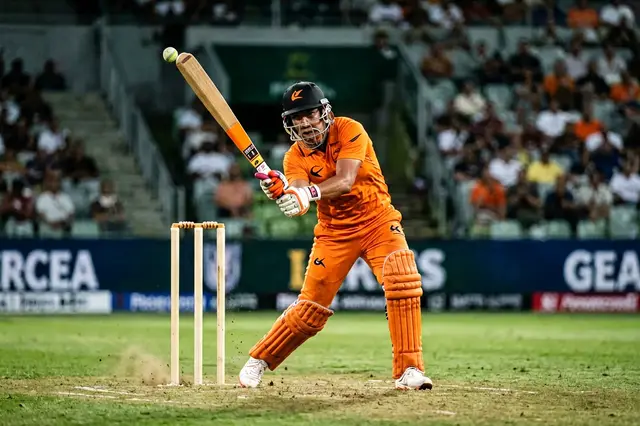
The new ball did the talking. It wasn't the spin that got the wicket in that recent WPL net session in Pune, but the sheer pace and the skiddy hard length off the dry, cracked surface. Mithali Raj, the former India captain and now a senior figure in the women's game, has been watching these shifts closely. She sees the WPL not just as a franchise league, but as the crucible where the next generation of Indian women’s cricketers is forged under the pressure of cricket fever.
For decades, the pathway was singular and grueling. It was the Ranji grind, the state-association trials, the long wait for a call-up to the national squad. That era is shifting. The WPL has introduced a new velocity to the sport. The dressing rooms are no longer just collections of state players; they are rosters of high-octane talent, curated with the same meticulous attention to form as any top-tier franchise in the IPL. And the fans? They are back. Not just the dedicated core, but the casuals who used to tune out the women’s game are now glued to their phones, checking match scores between the evening news and their dinner.
"The cricket fever is real, but it’s controlled. It’s not just about hitting big shots; it’s about the strategy, the impact player gamble, and the way teams manage the dew factor after 8:30 PM IST. That’s where the game is evolving," Raj noted during a recent media interaction.
The Middle-Overs Choke and the New Skill Set
Why does the middle-overs choke keep happening? It’s not just the bowlers. It’s the batters. The new generation of women’s cricketers in the WPL is more tactically aware than their predecessors. They understand that the powerplay is a given, but the real test is in the 11th to the 17th over. On a sticky red-soil track, or a dry, slow deck, the ability to manipulate the ball is paramount. Raj points to the rise of all-rounders who can bowl into the pitch with genuine threat. This isn’t just about bowling line and length; it’s about the mental resilience required to hold the fort when the scoreboard is ticking and the pressure is on.
From State Associations to Franchise Dugouts
The state-association pathways are still vital, but the franchise league has become the primary showcase. A young player out of the SMAT trials now knows that the next step isn’t just making the national team; it’s getting a contract with a WPL franchise. This changes everything. The training infrastructure, the coaching staff, the exposure to international stars—none of it was available at the state level before. The boundary-percentage of WPL teams is significantly higher, and the expectation of a six every ball is now the baseline, not the exception.
But this has also brought a new kind of pressure. The expectations are sky-high. A young batter, fresh out of the university circuit, is now facing the weight of an entire city’s support. The crowd at the Wankhede or the M. Chinnaswamy Stadium isn’t just cheering; they’re judging. And when you miss a catch or get bowled by a spin bowler in the death overs, the silence in the dugout is deafening. Nobody in the dugout bought that excuse. The data doesn’t lie. The stats are up on the big screens, and they tell a clear story.
The Future Aspiration: A Self-Sustaining Ecosystem
Raj’s vision for the future is clear. It’s not just about more matches; it’s about creating a self-sustaining ecosystem where women’s cricket is not a charity but a business. The WPL is the start of that. The next step is the development of grassroots programs in Tier-2 and Tier-3 cities. The cricket fever needs to be spread, not just concentrated in the metros. The state associations need to be funded, the coaches need to be trained, and the infrastructure needs to be built. It’s a long road, but the foundation is laid.
As we look ahead to 2027, the goal is simple: to have a women’s cricket ecosystem that is as robust, as profitable, and as passionately followed as the men’s game. The WPL has proven that the audience is there. The talent is there. Now, the infrastructure has to catch up. The next time a young Indian cricketer takes her first run in a WPL match, she’ll be looking at a crowd of thousands, not hundreds. That’s the power of cricket fever. It’s not just about the sport; it’s about the culture. And that culture is changing, fast.
- Impact Player Rule: Has significantly increased the boundary-percentage in the middle overs, forcing batters to be more aggressive and creative.
- Franchise Pathway: Now the primary route for high-performance exposure, overshadowing traditional state-association trials in terms of visibility and resources.
- Cultural Shift: The casual fan base has grown exponentially, driven by the entertainment value of the WPL format and the star power of the franchises.
The game is no longer just about the match. It’s about the moment. And in the women’s game, those moments are more intense, more electric, and more widely felt than ever before. The cricket fever is here to stay. It’s not a trend; it’s a transformation. And Mithali Raj, standing on the sidelines with her tablet in hand, is watching it happen, one frame at a time.
Related coverage
- India vs West Indies T20 2026: Know series schedule,: What the Numbers Mean for Cricket Fever
- RCB’s Late Blast Crushes GT: The Final That Sparked Pure Cricket Fever

Updated 2026-11-16 · Instant Rupee Deposits & 60s Withdrawals · 24/7 Support.
Access Official Cricketfever Portal →Syndicate & Match Preview Editor · Ahmedabad Desk
Saurabh Banerjee has tracked IPL auctions, T20 toss trends, and fantasy combinations since 2016. From Ahmedabad, he oversees Cricketfever's live match previews and cricket fever guides.
Reader Discussion & Match Reactions (6)4.8★ Community (6 Comments)
Verified Indian cricket reader perspectives & tactical debate on thecricketfever.com
Mithali Raj’s observation that the WPL replaces the old Ranji grind hits home for players from Assam and Nagaland, where state‑association trials have been the only gateway. The franchise model now gives those hidden talents a real shot at the big league.
The article’s reference to the dew factor after 8:30 PM IST isn’t just anecdotal – historically teams see a 0.4 run‑per‑over dip in the last ten overs under similar conditions, turning a 150/5 chase into a nail‑biter.
While Mithali praises a ‘controlled cricket fever’, I worry the BCCI’s branding is masking a deeper issue – the league’s revenue model still favors marquee international stars, leaving genuine Indian grassroots prospects waiting on a token ‘impact player’ slot.
The piece rightly points out that the new ball’s skiddy hard length on Pune’s dry, cracked surface is reshaping bowlers’ skill sets, and SMAT’s recent trials are already producing left‑arm pacers who can exploit that bounce before they hit the WPL roster.
Mithali’s mention of the middle‑overs choke aligns with the data – teams averaging below 6.0 RR in overs 11‑30 lose 70 % of matches, so the ‘impact player gamble’ on a death‑over specialist is now a statistical necessity.
@Anirudh_Guwahati Spot on about state‑association pipelines, and the article also flags the new ball doing the talking – its skiddy hard length on the cracked Pune pitch is forcing even senior WPL captains to rethink their opening strategies.