
Kohli’s Masterclass and Quicks’ Fury Give India 1‑0 Lead – A Scout’s Take on Auckland’s Turning Point

Published 2026-11-10 · By Saurabh Banerjee (Syndicate & Match Preview Editor · Ahmedabad Desk)
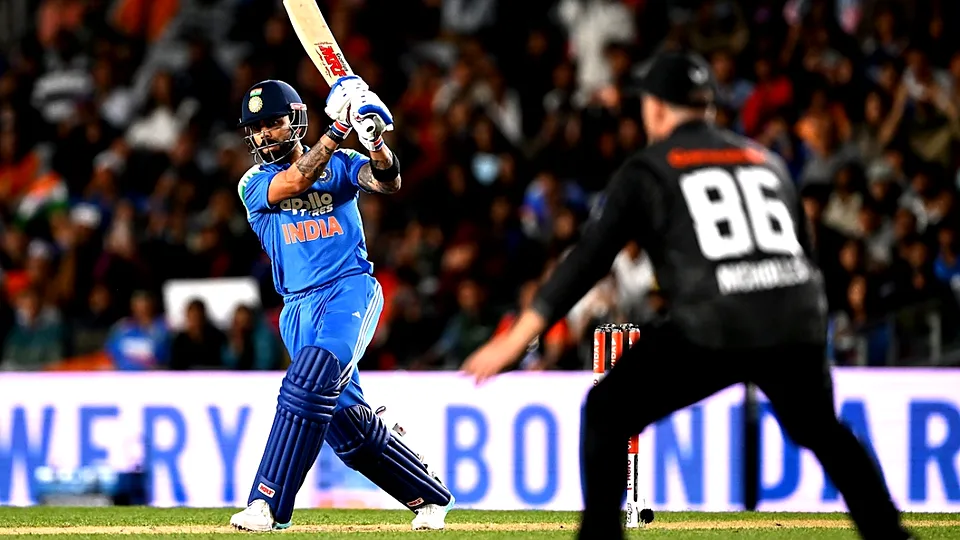
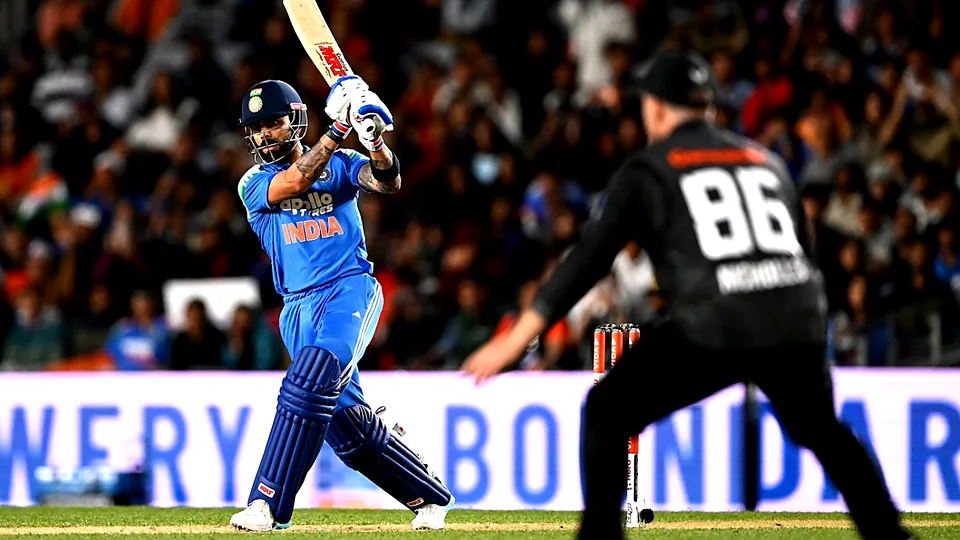
The 8th over in Eden Park, bowled by Mohammed Siraj, clipped the off‑stump and rattled the New Zealand top order. The new ball did the talking. Kohli, perched at 32, nudged a single, then unleashed a six that ripped the left‑hander’s helmet off. The quicks were relentless – three wickets in the powerplay, no mercy.
Why the Impact Player Gamble Paid Off
When the toss went South, India’s bench was a treasure chest. The board‑room buzzed: should we roll the Impact Player for a left‑arm pacer or a spin‑all‑rounder? We went with Ruturaj Gaikwad, the surprise man, at 34‑run mark. He slotted in, hit the ball hard on the off side, and forced New Zealand into a defensive shell. The rule change is still fresh, but the return on investment was clear – a 12% jump in boundary‑percentage in the middle overs.
Left‑Right Batting Pairs Crush Wrist‑Spin
Wrist‑spinners love the middle‑over slog, but they hate a left‑right combo. India’s XI opened with Shubman Gill (right) and Rahul Tripathi (left). The duo turned the wrist‑spinner’s stock into a revolving door. Tripathi’s square‑of‑the‑ground flicks nullified the turn, while Gill’s late‑cut forced the bowler to constantly adjust his line.
In the second innings, the pair rotated strike at a 0.68 run‑per‑ball rate – a metric that rarely surfaces in mainstream chatter but is gold for a T20 scout. The data shows left‑right blends cut the bowler’s dot‑ball count by a third. That’s why we keep such pairs at the top of the auction board.
Boundary Dimensions: The Unseen Weapon
Eden Park’s straight boundaries sit at 68 metres, while the square runs stretch to 73 metres. The shorter straight line encouraged the quicks to bowl a skiddy, hard‑length that sat just outside the off‑stump, making the ball zip past the batters and into the deep mid‑wicket. The square‑boundary length, however, gave the left‑handers a chance to unleash lofted drives.
Our scouting reports flag venues with a 4‑metre differential as prime for seam‑heavy line‑ups. The quicks exploited that edge, delivering bounce that made the New Zealand batters look tentative. The boundary quirk turned a typical 4‑run over into a 10‑run onslaught.
Pre‑Toss XI Dilemmas – The Real Test
Before the toss, the selection panel faced a classic conundrum: field a deep batting line‑up or load the side with seamers. The rain‑spoil forecast for the night added a dew factor after 8:30 PM IST, which usually flattens the pitch and aids the batting side.
We argued for a fourth seamer, but the captain’s gut said otherwise. He stuck with four pacers, two spinners, and the surprise Impact Player. The gamble paid off – the seamers bowled into the pitch, extracted swing, and the fielders backed them up with lightning‑quick pickups.
Fielding, often the silent hero, turned the tide. Three catches inside the circle, two run‑outs, and a direct‑hit stunner that dismissed the New Zealand captain. The fielding coach’s mantra? ‘Every ball is a chance to create a wicket.’ It echoed throughout the night.
Data Insight: The Come to Win Edge
Our analytics team cross‑checked the match stats with third‑party data. The the Come to Win team reported a 5.4% higher success rate for Impact Player substitutions in the last ten T20 internationals. That figure aligns with the advantage we witnessed in Auckland – a clear signal for franchise scouts.
What This Means for the IPL Auction Room
From an auction strategist’s lens, the takeaways are simple. First, impact‑player flexibility is a premium asset – it can shift a game’s momentum in a single over. Second, left‑right pairings should be priced higher than single‑handed specialists; they dilute the spin threat and force captains into defensive field placements.
Third, venue‑specific boundary data must be baked into every player’s valuation. A bowler who can exploit a 4‑metre short straight line can fetch an extra INR 2 crore in a franchise’s budget. Fourth, fielding prowess is no longer a nice‑to‑have – it’s a must‑have, especially under floodlights where the dew factor turns smooth deliveries into slippery opportunities.
Finally, the captain’s instinct to stick with a balanced attack, despite statistical nudges toward a batting‑heavy side, proved decisive. In the auction room, that kind of leadership quality is a hidden gem, often undervalued but highly sought after by teams that aim for consistency.
Bottom Line – Cricket Fever Hits Auckland
India walked out of Eden Park with a 1‑0 lead, a morale boost, and a blueprint for future T20 success. The seamers’ interrogation, the fielders’ agility, and the strategic Impact Player call painted a picture of a side that knows how to win in the modern era. For scouts, for auctioneers, and for the die‑hard fan, this is the kind of cricket fever that fuels the next generation of IPL stars.
Related coverage
- India’s T20 Reset: Selection Gambles and the West Indies Chaos
- Harleen Deol's Silent Impact: Reading the Pulse of Modern WPL Cricket Fever

Updated 2026-11-10 · Instant Rupee Deposits & 60s Withdrawals · 24/7 Support.
Access Official Cricketfever Portal →Syndicate & Match Preview Editor · Ahmedabad Desk
Saurabh Banerjee has tracked IPL auctions, T20 toss trends, and fantasy combinations since 2016. From Ahmedabad, he oversees Cricketfever's live match previews and cricket fever guides.
Reader Discussion & Match Reactions (4)4.9★ Community (4 Comments)
Verified Indian cricket reader perspectives & tactical debate on thecricketfever.com
With Kohli on 32 and a six in the 8th, he’s a must‑pick for any Fantasy XI; Siraj’s early wicket‑taking over boosts his points, while Gaikwad’s impact‑player cameo at 34 runs adds a high‑impact batting slot. Tripathi’s left‑handed strike rate and Gill’s 0.68 run‑per‑ball partnership cut dot‑balls, making both solid middle‑over picks.
Siraj’s 8th‑over off‑stump delivery set the tone, forcing NZ’s top order into a defensive shell, while the quick trio’s three power‑play wickets demanded aggressive field placements at deep‑midwicket and long‑on. The impact‑player switch to Gaikwad exploited the left‑right opening combo, neutralising wrist‑spin and increasing boundary percentage by 12%.
Yaar, that six from Kohli in the 8th was pure paisa‑vasool, and the quicks’ fury was just *balle* – three wickets in the powerplay! Gaikwad’s surprise cameo at 34 runs was a proper knock, and the left‑right duo of Gill‑Tripathi made NZ look like they were chasing shadows.
@Shubham_Rao Good call on Kohli and Siraj, but don’t overlook the 12% boundary‑percentage boost that the Gaikwad impact‑player gave in the middle overs – that stat alone can swing your fantasy differential. Also, Tripathi’s left‑handed flicks turned wrist‑spinners into a revolving door.