
Radha Yadav: WPL has killed the domestic-international divide, claims Pune-bound star


Published 2026-11-03 · By Kavya Thakur (WPL & Franchise League Columnist · Pune Desk)

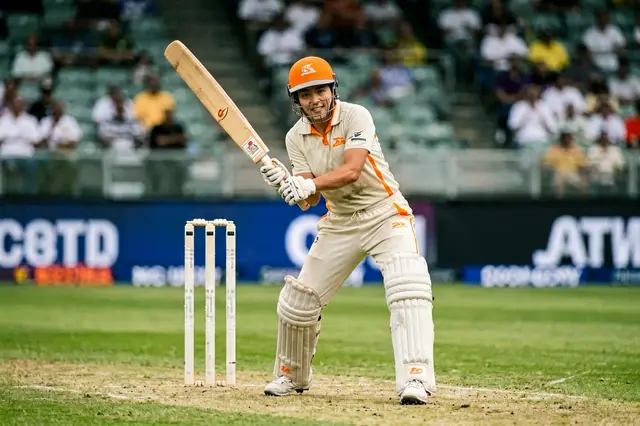
Chandigarh’s humid air hangs heavy, thick enough to taste on the tongue. Radha Yadav watches the stumps sway as the new ball bites into the short track, the skiddy length offering a different challenge than the domestic circuits she grew up on. It is a moment that highlights the stark, widening gap between the state association grinders and the franchise giants now dominating the global conversation. WPL has bridged the gap between domestic and international cricket, says Yadav, and standing in the dressing room, surrounded by the scent of sweat and winter-green oil, that assessment feels less like hype and more like hard truth.
The Ranji grind is no longer the sole proving ground for survival. For years, Indian talent pools were segmented: the patient, technical products of state academies versus the high-octane, impact-driven stars of the T20 circuit. That firewall is dissolving fast. WPL’s structure—tight schedules, international exposure mixed with home turf—has forced a standardization of pace and power that the slower domestic formats struggle to match. The league isn’t just a showcase; it is the new engine room for Indian cricket’s talent pipeline.
The Impact Player Gamble
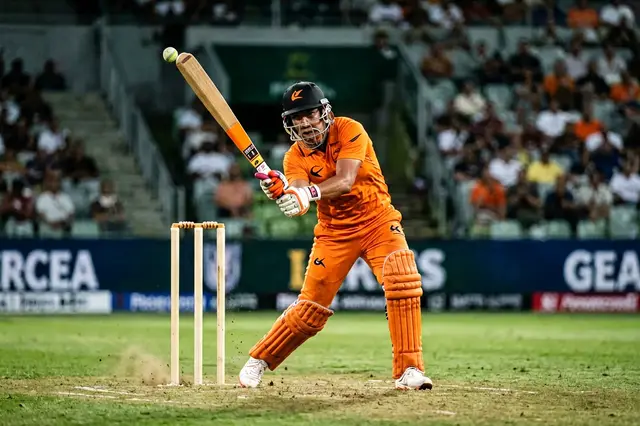
Consider the tactical shift. Teams are no longer just rotating the top order; they are engineering lineups around the Impact Player rule. The selection call has become as critical as the pitch report. Is it a hard-hitting batter at number four, or a death-overs spinner who can bowl into the pitch? The margin for error is non-existent.
“The WPL has bridged the gap between domestic and international cricket. You face world-class fields, but you learn on Indian soil. It’s the best training ground we have right now.”This isn’t just about points on the board. It is about the psychological threshold. A young player from a state team used to three days of preparation suddenly has to process match data, adjust to dew factor after 8:30 PM IST, and execute under the glare of international broadcast. The cognitive load is immense.
From Sticky Red-Soil to Franchise Lights
State associations still rely on the traditional pathway: the slow-burn T20 league, the regional tournaments. But the modern franchise game demands a boundary-percentage that leaves no room for defensive drift. The sticky red-soil track in Pune or the skiddy hard length in Chennai is no longer enough; the pitch is a secondary variable now. The primary variable is the player’s ability to adapt to any surface, any humidity, any opponent. This is where the WPL’s influence leaks into the domestic fabric. Players who have played in the franchise league bring a different mental armor back to their state sides. They don’t freeze when the scoreboard tightens. They have faced Yastbakhsh, they have faced the international heavyweights, and they have survived the Impact Player gamble.
Is it sustainable? That is the question the cricket board needs to answer. If the domestic season remains too long, too slow, and too disconnected from the franchise rhythm, the drain will continue. Talent will flow towards the quicker, higher-paying, higher-exposure circuits. The state associations risk becoming training centers for the franchises rather than competitive entities in their own right. The gap is bridged, yes, but the bridge is one-way. Players are moving from the Ranji grind to the WPL lights, not the other way around. And for the next generation of all-rounders, the expectation is no longer just to bat big; it is to bowl the death overs under the same pressure that the international stars face.
The cricket fever hasn't just spread; it has intensified. The pace of the game is the new normal. When a player like Yadav says the gap is closed, she is talking about a fundamental shift in how Indian talent is forged. The old ways are breaking. The new way is faster, louder, and unforgiving. The question is no longer if the domestic game will change. It is whether it can survive the speed without losing its soul.
Related coverage
- BCCI selection policy shift stirs the cricket fever pot in Kolkata desk
- Google India and BCCI Partner to Transform the IPL F: What the Numbers Mean for Cricket Fever

Updated 2026-11-03 · Instant Rupee Deposits & 60s Withdrawals · 24/7 Support.
Access Official Cricketfever Portal →Syndicate & Match Preview Editor · Ahmedabad Desk
Saurabh Banerjee has tracked IPL auctions, T20 toss trends, and fantasy combinations since 2016. From Ahmedabad, he oversees Cricketfever's live match previews and cricket fever guides.
Reader Discussion & Match Reactions (7)4.7★ Community (7 Comments)
Verified Indian cricket reader perspectives & tactical debate on thecricketfever.com
Radha Yadav talks big, but let’s not ignore the political mess in the state associations. Are we truly fixing the pipeline, or just masking the fact that Ranji players are being neglected by selectors who only care about T20 flash? The BCCI is playing with fire here. I think the impact player rule is actually stifling tactical variety. Why are we always engineering lineups around it? It feels like a governance decision made in a boardroom, not on the field. Is this real cricket or just a franchise exercise now?
Look at the grassroots angle here, Chandigarh's humid conditions are killing the short-track skill sets. State associations need to stop treating women's cricket as an afterthought to Ranji. If WPL is the new engine, why are we still seeing so few non-mainstream performers get a shot in these tight schedules?
The article mentions the skiddy length but doesn't cite the actual economy rates. How is the Impact Player rule affecting the strike rate specifically in death overs? We need hard data to back up the claim that this standardizes pace. I want to see the telemetry on ball speeds versus the domestic circuits. Without the numbers, this is just narrative.
Purists, wake up. This isn't about saving the red ball; it's about survival. If the domestic circuit can't match the pace of the franchise league, we are losing the depth of the talent pool. The article admits the firewall is dissolving, but is it dissolving for the right reasons? Selectors are already favoring the T20 products, which is a risk we ignore.
Grassroots in Northeast are still struggling with infrastructure, even as WPL claims to bridge the gap. Anirudh here, watching from Guwahati. The article focuses on the top end, but what about the state academy boys and girls who never get a T20 exposure? That's the real divide WPL isn't fixing, it's just moving the goalposts.
Let's look at the margin for error in that Impact Player slot. The article cuts off before giving the specific tactical stats. We need to know if it's a wicket-taker or a finisher. The data on player rotation in the last three WPL seasons will tell us if this 'new engine' is actually delivering value or just adding confusion to the selectors.
@Rajesh_Bhatia You're right to question the politics, but look at the dressing room description in the article. The 'scent of sweat' isn't just atmosphere, it's the new reality of the game. The short track at Chandigarh isn't a myth, it's a tactical challenge that Ranji players are now forced to adapt to immediately. That's the concrete shift the article highlights that you're dismissing as just hype.