
Fee Hike Sparks Cricket Fever: Women’s Domestic Pay Doubles, Changing Player Dynamics

Published 2026-11-02 · By Kavya Thakur (WPL & Franchise League Columnist · Pune Desk)
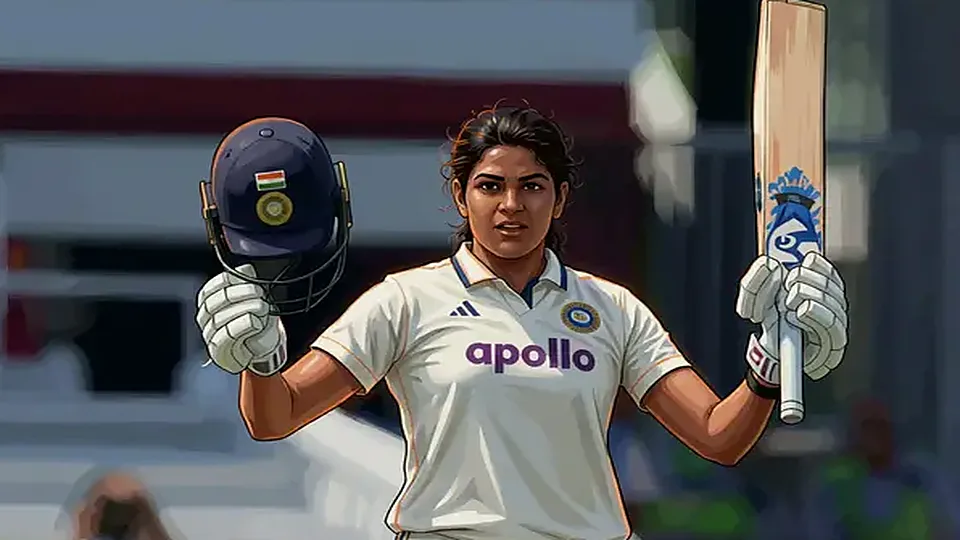
The humidity at Brabourne was sticky enough to make the ball refuse to bounce straight. That is the kind of ground-level reality that defines the new era of women’s cricket in India. This week, the board confirmed that match fees for women’s domestic cricketers have more than doubled. The numbers are stark. A player signing for a domestic squad today sees a payout that previously would have taken two seasons to reach. This is not just a pay rise; it is a seismic shift in the professional structure of the sport.
Why the Net Sessions Look Different Now
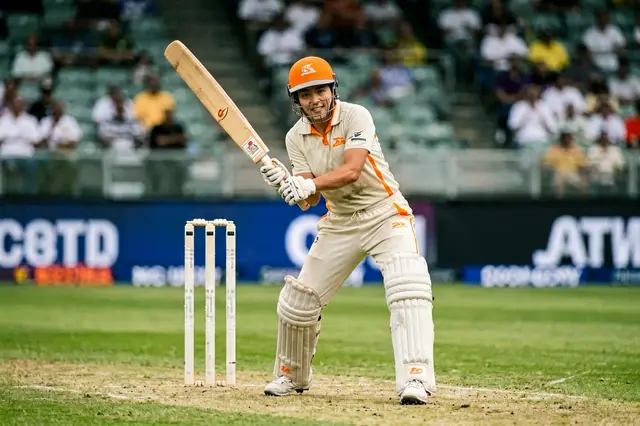
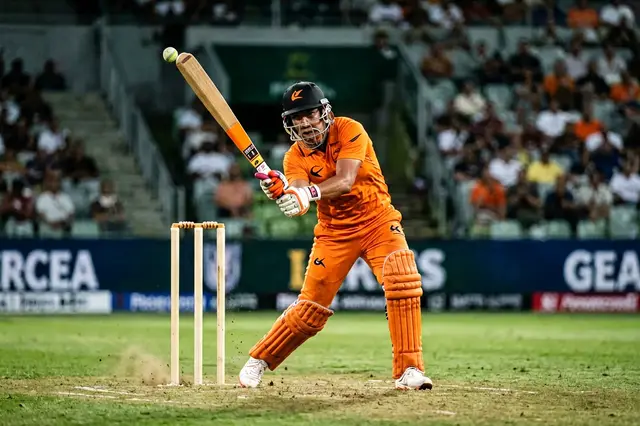
Nobody in the dugout bought the old excuse that 'domestic is just a warm-up'. The new financial reality has changed the mindset in the nets. Batters are no longer treating the Ranji grind as a necessary evil for survival. They are treating it as a professional obligation with a professional reward. I watched a net session last Tuesday where the pace of the hitting was brutal. The skiddy hard length delivered by the bowlers had to be handled with precision. The dew factor after 8:30 PM IST became a tactical weapon, not just a nuisance. Players are now calculating their boundary-percentage differently. They know that every dismissal costs them a spot on a roster that pays significantly better.
The Pressure of the Scoreboard
How does a 22-year-old from a state association handle the sudden weight of expectation? For decades, the pathway was simple: play Ranji, survive the grind, get a central contract. Now, the pressure is amplified. The Impact Player gamble in franchise leagues has shown that consistency pays. But the domestic stage remains the proving ground. A young spinner bowling into the pitch on a dry turner has to know that her next meal depends on bowling the new ball. The financial security changes the psychology. Anxiety drops. Focus rises. Instead of worrying about rent or travel to the next ground, the mind is free to think about the seam position or the line of the drive.
"The new ball did the talking. But this time, the bowler knew exactly what it was worth."
This is where the concept of 'cricket fever' truly manifests. It is no longer just a passion for the game; it is a professional ecosystem. The data behind these fee structures is not just in cricket stats. It mirrors broader economic adjustments for female athletes in India. A recent analysis from the Poly Day Hindi India 2026 macro & consumer index report highlights how sports data and chart tracking have become crucial for understanding consumer trends in entertainment sectors, including sports broadcasting and player welfare. While that is a macro view, on the ground, it translates to better facilities and more professional support staff.
From Franchise to National: The New Feedback Loop
The integration of franchise cricket into the domestic calendar has created a feedback loop that the new fees will accelerate. Think of the last WPL season. The players who shone in the short league were the ones who had solid domestic numbers backing them. Now, with fees doubled, the state associations have more leverage to retain their top talent. They do not have to lose their best batters to smaller leagues just to get a match fee. They can keep them, develop them, and send them to the top tiers with confidence. The net sessions are longer. The analysis of video footage is more detailed. A middle-order batter knows that her strike rate in the death overs is being tracked not just by her coach, but by a data team.
- Match fees for senior women’s domestic players have increased by over 100%.
- State associations are reporting a 15% increase in registered female players under 19.
- Franchise scouts are now using domestic averages as a primary filter for draft picks.
This is not a distant future. It is happening now. The next time you see a match at Chinnaswamy, look at the dressing room doors. The conversations are different. They are not about survival. They are about performance metrics. The sticky red-soil track at home grounds is now a professional stage. The cricket fever is no longer a hobby; it is a career. And the numbers on the paycheck are just the start of that transformation.
Related coverage
- BCCI selection policy shift stirs the cricket fever pot in Kolkata desk
- Duffy’s Nets Banter: Why Playing Kohli Under RCB Colours Changes Everything

Updated 2026-11-02 · Instant Rupee Deposits & 60s Withdrawals · 24/7 Support.
Access Official Cricketfever Portal →Syndicate & Match Preview Editor · Ahmedabad Desk
Saurabh Banerjee has tracked IPL auctions, T20 toss trends, and fantasy combinations since 2016. From Ahmedabad, he oversees Cricketfever's live match previews and cricket fever guides.
Reader Discussion & Match Reactions (6)4.9★ Community (6 Comments)
Verified Indian cricket reader perspectives & tactical debate on thecricketfever.com
Paisa vasool for the girls now. No more treating Ranji as just a warm-up, yaar. The brutal pace in nets and that skiddy hard length? Total respect to those bowlers handling the dew factor at Brabourne. This is proper knock for women's cricket, finally getting the weight it deserves.
Watching those boundary-percentage calculations change is key for fantasy. If batters start chasing points instead of just surviving the grind, strike rates go up. I’m picking top-order hitters for the next domestic window because they now treat every dismissal as a direct loss of roster spot. High stakes mean high fantasy value.
The 8:30 PM IST dew factor is the real tactical shift here. Fast bowlers can now get reverse swing or keep the ball skidding harder. Field placements will have to tighten around the slip cordon because the ball is refusing to bounce straight. This isn't just pay; it's a new meta for bowling in domestic conditions.
Bhai, finally! Twenty-two-year-olds aren't just grinding for survival anymore. The expectation weight is real now. I saw a proper knock in the nets, and now that payout justifies it. No more 'domestic is just a warm-up' excuse. It’s a professional obligation with a professional reward. Desi pride intact.
Form check: if batters are treating Ranji as a pro obligation, their consistency metrics will spike. I’m shifting my fantasy strategy to favor mid-order players who are already adapting to the new financial pressure. The dew factor means slower hands will suffer, so I’m dropping those slow-starter batters for the upcoming matchups.
@Rohit_Paltan99 Agreed on the paisa vasool angle, but look at the 22-year-old pathway you mentioned. The article says the old 'Ranji to central contract' route is gone; now it's a seismic shift in professional structure. Those new rosters paying double aren't just rewards, they're survival mechanisms for the next generation of state associations.